
Why Sewage Line Inspections Are Crucial for First-Time Home Buyers
Sewage line inspection is an essential step for anyone buying a home, especially first-time buyers. It helps you understand the health of the property’s sewage system and can save you from future headaches.
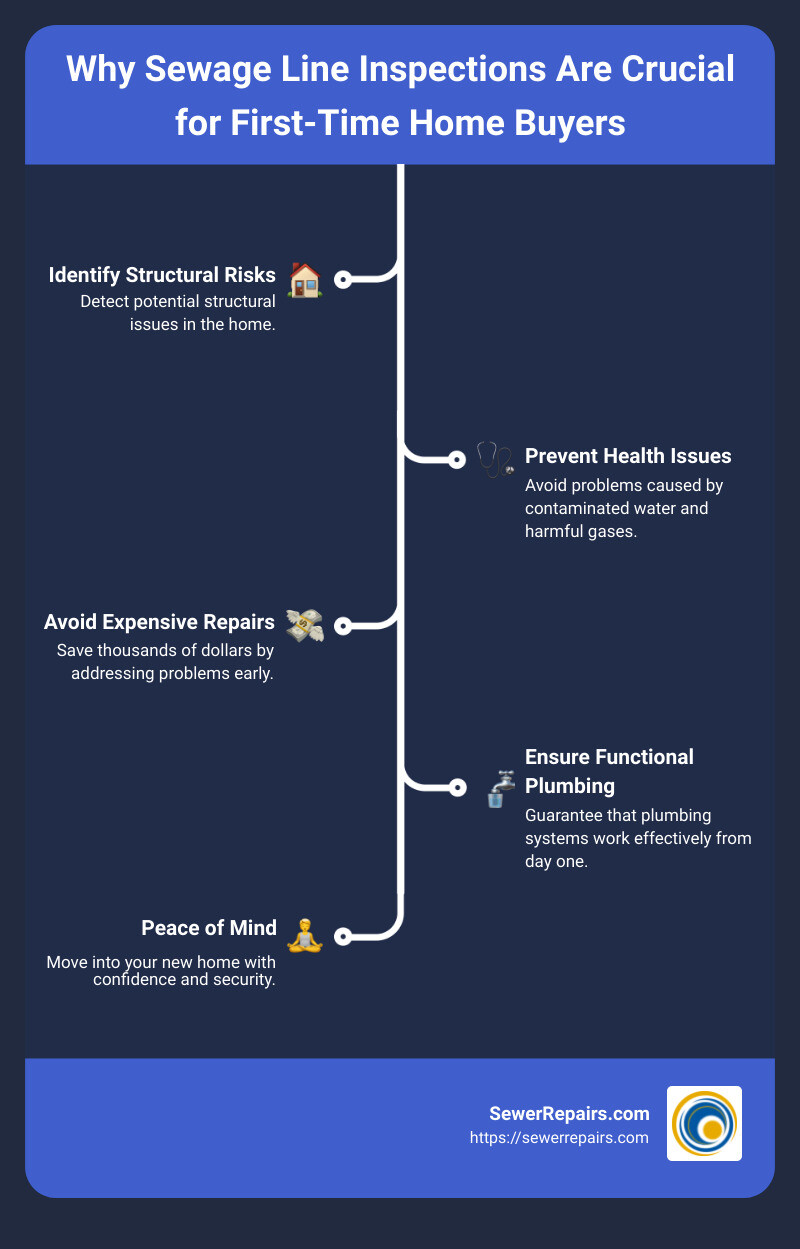
Key reasons you need sewage line inspection:
- Identifies potential structural risks in the home
- Prevents health issues caused by contaminated water and harmful gasses
- Avoids expensive repairs that could cost thousands of dollars
- Ensures functional plumbing from day one
Investing in a sewage line inspection is a key preventive measure. It ensures you’re not moving into a home with underlying sewer issues that can be costly and even dangerous. As Russell Joe from Quality Sewer & Drain notes, “if you’re buying a home and don’t have your sewer line inspected beforehand…you could be putting yourself at risk for a sewage backup or emergency repairs that could have been spotted ahead of time.”
I’m Jason Best, the founder of SewerRepairs.com, with over 20 years of experience in sewage line inspection and repair. My team and I ensure top-quality inspections to provide peace of mind for homeowners, especially those new to the process.
What is a Sewage Line Inspection?
A sewage line inspection is a critical step in ensuring your home’s plumbing system is functioning correctly. This inspection involves using a flexible borescope camera to check the condition of your home’s sewer pipes. The camera is typically inserted into the home’s main drainpipe and steers through the lateral sewer line, which connects your home to the municipal sewer system.
Video Inspection
During a sewage line inspection, a professional uses a borescope camera to capture a live video feed of the inside of your pipes. This method allows the inspector to see and record any issues within the sewer lines. The camera can reveal cracks, blockages, and other types of damage that are not visible to the naked eye.
Lateral Sewer Line
The lateral sewer line is the pipe that connects your home’s plumbing to the municipal sewer system. This line is crucial because any issues here can lead to severe problems like sewage backups and water damage. A thorough inspection of the lateral line helps in detecting problems early before they escalate.
Blockages
Blockages are one of the most common issues found during a sewage line inspection. These blockages can be caused by debris, grease build-up, or even tree roots infiltrating the pipes. Identifying blockages early can prevent costly repairs and potential health hazards.
Damage Detection
Damage to sewer lines can manifest in various forms, including cracks, offset pipes, and low areas (or bellies) where debris collects. For example, tree roots can grow into older clay or cast iron pipes, causing significant damage over time. Detecting such issues early can save homeowners a lot of money and hassle.
By conducting a sewage line inspection, potential home buyers can ensure that their new home is free from hidden plumbing issues, giving them peace of mind and saving them from unexpected repair costs.
Common Problems Found During Sewage Line Inspections
When you get a sewage line inspection, you want to know what issues might pop up. Here are some of the most common problems:
Low Areas (aka Belly)
Low areas, often called bellies, are sags in the sewer pipe where debris collects. This can cause blockages and backups.
Why it happens: Poor layout, tree roots, or shifting soil.
Fix: Minor bellies might not need repair. Serious ones will require digging up the pipe to fix the slope.
Offset Pipes
Offset pipes occur when two sections of pipe don’t line up correctly. This misalignment can block the flow of waste.
Why it happens: Settlement in the surrounding earth, root growth, or poor installation.
Fix: Small offsets may not need action. Larger ones, especially near the bottom, usually require digging up and replacing the problematic section. Trenchless technology might be an option to minimize digging.
Tree Roots
Tree roots are a common problem, especially in older clay and cast iron pipes. Roots can crush or offset pipes, causing blockages.
Why it happens: Trees seeking water grow into sewer lines.
Fix: Options include replacing the old line with a more durable material like PVC, treating the line with root poison, or using a power auger to clean out the roots. Regular maintenance is key if you have clay pipes.
Grease Build-Up
Grease build-up happens when fats, oils, and grease stick to the sides of the pipe, leading to blockages.
Why it happens: Improper disposal of kitchen waste.
Fix: Jet cleaning with a high-pressure hose can clean off the grease. If roots are also present, a rooter may help.
Cracking
Cracks in clay and cast iron pipes are common. They can allow sewage to leak into your yard, leading to further issues.
Why it happens: Pressure on the pipe or natural deterioration.
Fix: Cracks on the top and sides can often be ignored, but cracks on the bottom may need a liner to prevent leakage.
Pipe Collapse
A pipe collapse is rare but serious. It usually results from long-term neglect and can be caused by vegetation, offsets, or weather-related expansion and contraction.
Why it happens: Long-term issues like root intrusion, soil shifts, or old pipes.
Fix: Collapsed pipes usually need full replacement. If the collapse is severe, the inspection camera might not be able to go further, making it risky to replace just one section.
By knowing these common problems, you can better understand the importance of a sewage line inspection. This knowledge can save you from unexpected and costly repairs.
How Sewage Line Inspections are Conducted
Understanding how a sewage line inspection is carried out can help you appreciate its importance. Here’s a breakdown of the key methods used:
Visual Inspections
A visual inspection is the simplest method. Inspectors look for obvious signs of damage or blockage. This might include checking for slow drains, foul odors, or standing water in unexpected places.
Pros: Quick and easy to perform.
Cons: Limited to visible areas; can’t detect deeper issues.
Deflection Tests
Deflection tests measure the roundness of the pipes. A deflection gauge is pulled through the pipe to check for any deformation. This is especially important for plastic pipes, which can warp over time.
Pros: Effective for detecting pipe deformation.
Cons: Requires access to both ends of the pipe.
Low-Pressure Air Tests
Low-pressure air tests are used to detect leaks in the sewer line. The pipe is sealed at both ends, and air is pumped in. If the air pressure drops, there’s likely a leak.
Pros: Highly sensitive to even small leaks.
Cons: Requires specialized equipment and can be time-consuming.
Leakage Tests
Leakage tests involve filling the pipe with water and observing if the water level drops. This can indicate a leak or crack in the pipe.
Pros: Simple and effective for detecting leaks.
Cons: Can be messy and requires a lot of water.
Camera Equipment
The most advanced method involves using a flexible borescope camera. The camera is inserted into the main drainpipe and steers through the sewer lines. This allows inspectors to see and record video of the internal condition of the pipes.
Pros: Provides a detailed view of the pipe’s interior, identifying cracks, clogs, and other issues.
Cons: Can be more expensive but offers comprehensive diagnostics.
By combining these methods, inspectors can get a complete picture of your sewer system’s health. This ensures that any potential issues are identified and addressed before they become major problems.
Benefits of Sewage Line Inspections for Home Buyers
Early Detection
Early detection is key when it comes to maintaining a healthy home. A sewage line inspection helps identify problems like tree root intrusion, cracks, or blockages before they become costly disasters. By catching issues early, you can save both time and money.
Cost Savings
The cost of a sewer line camera inspection typically ranges from $125 to $500, averaging around $285. This might seem like an added expense, but consider the alternative. Repairing a broken sewer pipe can cost up to $300 per foot, and replacing sewer drains can range from $2,500 to $30,000 or more. Investing in an inspection now can prevent thousands of dollars in future repairs.
Peace of Mind
Knowing the condition of your sewer system provides peace of mind. Understanding the state of your sewer line can prevent unexpected sewage backups or emergency repairs. This is particularly important for first-time home buyers who may not be familiar with the intricacies of home maintenance. A clean bill of health for your sewer system means one less thing to worry about in your new home.
Maintenance Planning
Finally, a sewage line inspection aids in maintenance planning. By understanding the current state of your sewer lines, you can schedule regular maintenance and avoid sudden, costly repairs. For example, if minor issues like low areas or “bellies” are detected, you can plan for their repair before they escalate. Regular inspections help you stay proactive rather than reactive.
By investing in a sewage line inspection, you’re not just protecting your home; you’re also ensuring a safe and healthy environment for everyone living in it.
Costs Associated with Sewage Line Inspections
Average Cost
A sewage line inspection typically costs between $125 and $500, with the average cost being around $285. This might seem like a lot, but compared to the potential cost of major sewage repairs, it’s a small price to pay.
Factors Affecting Cost
Several factors can influence the cost of a sewage line inspection:
- Location: The cost of living in your area can impact the price. Higher living costs usually mean higher inspection fees.
- Inspector: Different inspectors charge different rates. It’s always a good idea to get multiple quotes.
- Home Details: The size and age of your home can affect the inspection cost. Older homes or homes with larger sewage systems may require more thorough inspections.
- Scope of Services: Some inspections may include additional services like hydrojetting or pipe descaling, which can increase the cost.
Cost Comparison
While the inspection itself might cost a few hundred dollars, consider the alternative. The average cost of repairing a sewer line is $2,556. In severe cases, repairs can cost tens of thousands of dollars. An inspection helps catch issues early, preventing costly repairs down the line.
| Service | Average Cost | High-End Cost |
|---|---|---|
| Sewer Line Camera Inspection | $285 | $900 – $1,000 |
| Sewer Line Repair | $2,556 | Tens of thousands |
Financial Rewards
Investing in a sewage line inspection can save you money in the long run. Early detection of issues like tree roots, offset pipes, or low areas allows you to address these problems before they become more severe.
Moreover, regular inspections can help you maintain your property value. Prospective buyers will appreciate knowing that the home’s sewage system is in good condition, potentially making your home more attractive on the market.
Frequently Asked Questions about Sewage Line Inspections
How are sewer lines tested?
Sewer lines are tested using several methods to ensure they are functioning correctly and free of issues:
- Visual Inspections: An inspector uses a camera to visually inspect the inside of the sewer line. This helps identify blockages, cracks, and other potential problems.
- Deflection Tests: These tests measure the roundness of the pipes to ensure they haven’t deformed. A mandrel (a tool that fits inside the pipe) is pulled through the sewer line to check for deflections.
- Low-Pressure Air Tests: This test involves sealing the ends of the sewer line and introducing low-pressure air. If the pressure holds, the line is likely leak-free. If not, there might be cracks or other issues.
- Leakage Tests: Similar to air tests, but using water. The sewer line is filled with water, and any drop in the water level indicates a potential leak.
How do you detect a sewer line?
Detecting your sewer line involves a few steps:
- Home Documents: Check the home’s blueprints or previous inspection reports. These often show the layout of the sewer system.
- Cleanout Pipe: Locate the cleanout pipe outside your home. This is a capped pipe that provides direct access to your sewer line.
- Pipe Locator: Professionals use a pipe locator, a device that sends signals into the sewer line, to find its exact path.
- City Records: Your local municipality may have records of the sewer line’s location.
- Professional Help: Hiring a professional can save time and ensure accuracy. Experts have the tools and experience to locate and inspect sewer lines efficiently.
Is a sewer scope worth it?
Absolutely! Here’s why:
- Early Detection: A sewer scope inspection can catch problems like tree roots, cracks, or blockages early on, preventing more severe damage.
- Cost Savings: Fixing minor issues is much cheaper than dealing with major repairs. A full sewer line replacement can cost between $10,000-$30,000!
- Maintenance Planning: Regular inspections help you plan for maintenance, ensuring your sewer system remains in good condition.
A sewage line inspection provides peace of mind, saves money in the long run, and maintains your home’s value. For first-time home buyers, this is an essential step to ensure a safe and healthy home.
Call SewerRepairs.com Today!
At SewerRepairs.com, we understand the importance of a thorough sewage line inspection. This crucial step can save first-time home buyers from unexpected and costly repairs down the road.
Inspections are not just about identifying problems; they are about proactive maintenance. Regular inspections can catch issues like low areas (bellies), offset pipes, and tree root intrusions before they turn into major headaches.
Proactive maintenance is key to a healthy sewage system. By scheduling regular inspections, you can ensure your sewer lines are in top shape. This not only protects your investment but also provides peace of mind knowing that your home is safe and sound.
For comprehensive and professional sewer line inspections, trust SewerRepairs.com. Our experienced team uses the latest technology to provide detailed and accurate assessments. Don’t wait until it’s too late—schedule your sewer line video inspection with us today and ensure your home remains a safe haven for years to come.