
Relining sewer pipe is a modern, efficient solution for repairing damaged sewer lines. This trenchless technology significantly reduces the need for costly and disruptive excavations, making it a popular choice for homeowners dealing with aging plumbing systems.
Here’s a quick look at relining sewer pipe:
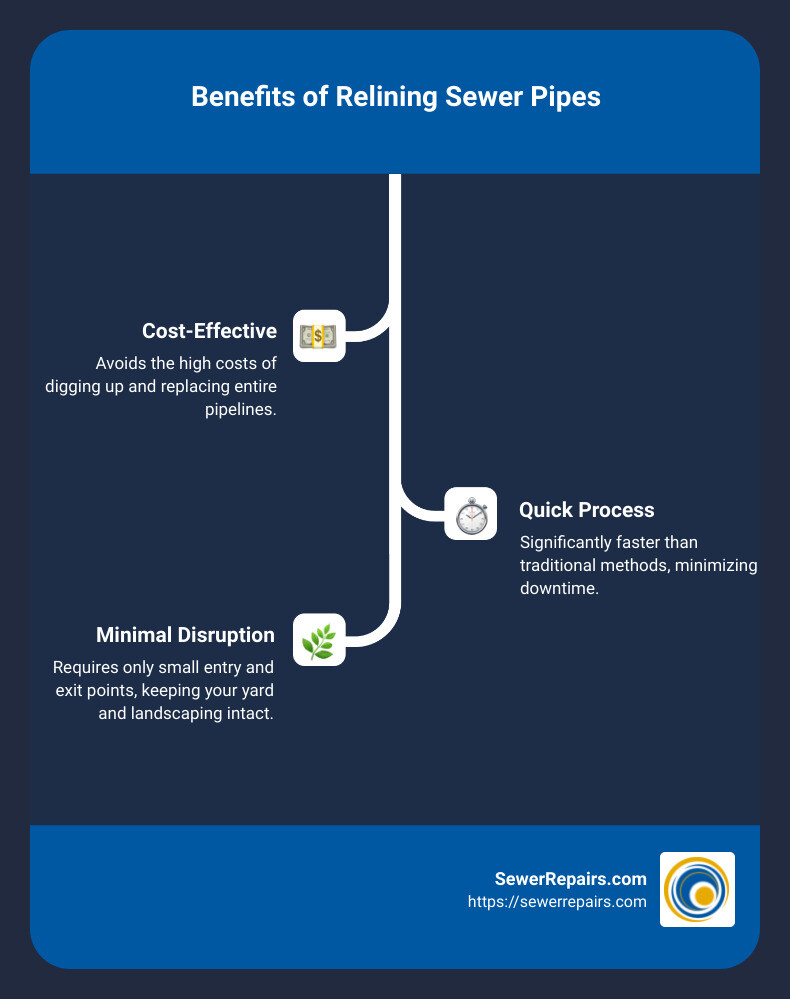
- Cost-Effective: Avoids the high costs of digging up and replacing entire pipelines.
- Quick Process: Significantly faster than traditional methods, minimizing downtime.
- Minimal Disruption: Requires only small entry and exit points, keeping your yard and landscaping intact.
- High Quality: Uses durable materials like epoxy resin, ensuring longevity and improved flow capacity.
In the past, fixing sewer pipes meant digging up large sections of your property. This was time-consuming, expensive, and left a mess. Now, trenchless technologies like CURED-IN-PLACE PIPE (CIPP) lining are changing how we approach sewer pipe repairs. This method inserts a liner coated with resin into the existing pipe, which is then inflated and cured to form a new pipe within the old one.
My name is Jason Best, founder of SewerRepairs.com and Best Plumbing Services. With over 20 years of experience in the industry, I’ve seen the evolution of sewer repair methods. My expertise in relining sewer pipe ensures you’re getting the most advanced, cost-effective, and minimally invasive solutions available.
Stay tuned as we delve deeper into the relining process and its numerous benefits, helping you make an informed decision for your plumbing needs.
What is Sewer Pipe Relining?
Definition
In simple terms, sewer pipe relining involves inserting a new lining into the existing damaged pipe. This new lining adheres to the interior walls, effectively creating a new pipe within the old one. The process is also known as Cured-In-Place Pipe (CIPP) lining.
Process
The process of relining sewer pipe typically involves several key steps:
- Sewer Camera Inspection: A camera is used to inspect the interior of the pipe and locate the damaged areas.
- Cleaning Existing Pipes: The pipe is cleaned to remove debris and blockages, often using high-pressure water jets.
- Measurement of Existing Pipes: The length and diameter of the pipe are measured to prepare the new lining.
- Epoxy Impregnation & Inversion of Tubing: A felt tube made of materials like fiberglass or polyester is saturated with epoxy resin and inverted inside the pipe.
- Inserting Tubing Throughout the Compromised Pipes: The epoxy-coated tube is inserted into the damaged pipe.
- Curing of Tubing: The epoxy resin is cured using hot air, steam, or Bluelight LED technology to harden the new lining.
- Final Inspection and Restoration: A final camera inspection ensures the lining is properly installed, and the sewer service is restored.
Trenchless Repair
One of the biggest advantages of sewer pipe relining is that it is a trenchless repair method. This means there’s no need to dig up your yard, driveway, or sidewalk. Instead, the entire process is done through small access points, making it less disruptive and more cost-effective.
CIPP Lining
Cured-In-Place Pipe (CIPP) lining is the most common method used in sewer pipe relining. This technique involves injecting a textile liner impregnated with epoxy resin into the existing pipe. Once the liner is in place, it is cured using hot steam or other methods to form a durable, long-lasting pipe within the old one.
The Sewer Pipe Relining Process
Relining sewer pipes involves several steps to ensure a seamless and durable repair. Let’s break down each step for a better understanding.
Step 1: Sewer Camera Inspection
The first step is a sewer camera inspection. This helps identify the exact position of cracks and compromised sections of the pipe. A small camera is inserted into the sewer line to provide real-time visuals, ensuring accurate diagnosis and planning.
Step 2: Cleaning Existing Pipes
Next, the existing pipes need to be thoroughly cleaned. This involves removing any debris, blockages, and buildup. Often, a high-pressure water jet is used to clear the pipes, ensuring they return to their original dimensions and are ready for the new lining.
Step 3: Measurement of Existing Pipes
After cleaning, the length and diameter of the existing pipes are measured. This ensures that the replacement tubing fits perfectly. Accurate measurement is crucial for the next steps in the process.
Step 4: Epoxy Impregnation & Inversion of Tubing
In this step, a felt tube made of materials like fiberglass or polyester is saturated with an epoxy-resin. This tube is then inverted (turned inside out) so that the epoxy-resin coats the outer surface. This allows the resin to adhere to the walls of the existing pipe once inserted.
Step 5: Inserting Tubing Throughout the Compromised Pipes
The prepared tube is then inserted into the compromised pipes. It is slid throughout the length of the damaged section, carefully positioning it to cover all cracks and leaks.
Step 6: Curing of Tubing
The curing process solidifies the new lining. This can be done using hot air, steam, or Bluelight LED technology. While traditional methods like hot air or steam can take 4-12 hours to dry, Bluelight LED technology offers a faster alternative, curing the lining up to five times quicker.
Step 7: Final Inspection and Restoration
Finally, a camera inspection verifies that the new lining is correctly positioned and fully cured. Once confirmed, service is restored to the pipes, and they are ready for use.
Relining sewer pipes is a meticulous process designed to ensure long-lasting results. By following these steps, you can achieve a durable and efficient repair without the need for extensive digging or disruption.
Benefits of Relining Sewer Pipes
Relining sewer pipes offers several significant advantages over traditional methods of pipe repair and replacement. Here are some key benefits:
Non-Invasive
One of the most appealing aspects of sewer pipe relining is its non-invasive nature. Traditional methods often require extensive digging, which can disrupt your yard, driveway, and even sidewalks. With relining, only a couple of small access points are needed. This means you can avoid tearing up your property, saving you time and hassle.
Cost-Effective
Relining your sewer pipes is generally more cost-effective than traditional pipe replacement. Digging up and replacing pipes can be labor-intensive and expensive, especially if there are obstacles like trees or paved surfaces. By avoiding extensive excavation, you save on both labor and material costs. In one case, a homeowner reported saving significantly by opting for relining over traditional methods.
Long-Lasting
When done correctly, relined pipes can last as long as 50 years. The longevity of the solution depends on the quality of materials used and the expertise of the installation team. Many reputable manufacturers offer warranties, providing additional peace of mind.
Improved Flow
Relined pipes often have improved flow capacity compared to their older counterparts. The new lining creates a smooth, seamless surface inside the pipe, which can enhance the flow of wastewater and reduce the likelihood of blockages. In a case study, a homeowner noted a significant improvement in their sewer system’s functionality after relining.
Minimal Disruption
Relining sewer pipes involves minimal disruption to your daily life. The process can often be completed in a day, and because it requires little to no digging, you won’t have to deal with the noise, mess, and inconvenience associated with traditional pipe replacement.
Environmental Benefits
Relining is also more environmentally friendly. By avoiding extensive excavation, you reduce the amount of soil and landscape disruption. Additionally, the materials used in relining are often more durable and less prone to corrosion, which means fewer repairs and replacements over time. This reduces the overall environmental impact of your sewer system.
Relining sewer pipes offers a modern, efficient, and long-lasting solution for pipe repair. The benefits are clear: it’s non-invasive, cost-effective, durable, and environmentally friendly, making it an excellent choice for many homeowners.
Next, let’s look at some potential disadvantages to be aware of.
Disadvantages of Pipe Relining
While relining sewer pipes has many benefits, it’s important to understand its limitations and potential drawbacks.
Limitations
Relining is not a one-size-fits-all solution. It works best for pipes with minor to moderate damage. If the existing pipe is severely damaged or collapsed, relining may not be effective. For instance, a homeowner in Upstate NY discovered a significant break during a video inspection, which required traditional repair methods before relining could be considered .
Pipe Diameter Reduction
Relining involves inserting a new lining inside the existing pipe, which can slightly reduce the pipe’s diameter. While this reduction is minimal, it can potentially affect water flow. This is particularly important in older systems where the original pipe diameter is already small. A Reddit user noted that the resin coating from relining could make future auguring impossible, which might be a concern for some homeowners .
Not Suitable for All Pipe Types
Certain pipe materials may not be ideal candidates for relining. For instance, cast iron pipes that are heavily corroded might not hold the new lining well. Additionally, relining doesn’t address issues like misalignment or incorrect pipe grading. If your pipes have these structural issues, traditional methods might be more suitable.
Potential Water Flow Issues
While the epoxy lining used in relining is designed to be smooth and improve flow, any existing debris or roots not fully removed before the process can lead to blockages. It’s crucial to thoroughly clean and inspect the pipes beforehand. A user on a plumbing forum recommended using a root-cutting snake and flushing out debris to ensure a smooth surface before lining (source).
Understanding these disadvantages can help you make an informed decision about whether relining sewer pipes is the right choice for your situation. Next, we’ll explore the different types of sewer pipe relining methods available.
Types of Sewer Pipe Relining Methods
When it comes to relining sewer pipes, there are several methods available. Each method has its unique process and benefits. Let’s dive into the most common types:
Cured-In-Place Pipe (CIPP) Lining
CIPP lining is a popular trenchless method for rehabilitating existing pipelines. Here’s how it works:
- Preparation: The pipe is first cleaned and inspected using a sewer camera to ensure it’s suitable for relining.
- Resin Impregnation: A flexible liner, usually made of felt or fiberglass, is saturated with epoxy resin.
- Insertion: The liner is inserted into the damaged pipe through a small access point.
- Curing: The liner is then inflated and cured using hot air, steam, or ultraviolet (UV) light to harden the resin, forming a new pipe within the old one.
Pros:
– Minimal excavation
– Can extend the pipe’s lifespan up to 100 years
– Effective for various pipe materials
Cons:
– Requires precise installation
– Takes 12 to 24 hours to cure
Sliplining
Sliplining involves inserting a new, smaller diameter pipe (carrier pipe) into the existing damaged pipe. Here’s a quick overview:
- Preparation: The old pipe is cleaned and inspected.
- Insertion: The carrier pipe is slid into the existing pipe.
- Sealing: The space between the old and new pipes is filled with grout to secure the new pipe in place.
Pros:
– Simple and cost-effective
– Suitable for long stretches of pipe
Cons:
– Reduces the diameter of the pipe
– Not ideal for pipes with significant bends or offsets
Pipe Bursting
Pipe bursting is another trenchless method used for replacing severely damaged pipes. The process includes:
- Access Points: Two small pits are dug at the entry and exit points.
- Bursting Head: A bursting head is pulled through the old pipe, breaking it apart.
- New Pipe: A new pipe is simultaneously pulled into place behind the bursting head.
Pros:
– Replaces the old pipe entirely
– Can increase the pipe diameter
– Minimal disruption to the surrounding area
Cons:
– Requires access pits
– Not suitable for all soil conditions
UV Curing
UV curing is a faster method for curing CIPP liners using ultraviolet light. Here’s how it works:
- Preparation: Similar to CIPP, the pipe is cleaned and inspected.
- Resin Impregnation: The liner is saturated with UV-sensitive resin.
- Insertion: The liner is inserted and inflated inside the pipe.
- UV Curing: UV light is passed through the liner to cure the resin quickly.
Pros:
– Faster curing time compared to traditional methods
– Less disruption
– Strong and durable lining
Cons:
– Requires special equipment
– May not be suitable for all pipe materials
Understanding these different methods can help you choose the best option for your sewer pipe relining needs. Each method offers unique benefits and considerations, so consult with an expert to determine the most suitable approach for your situation. Next, let’s address some frequently asked questions about relining sewer pipes.
Frequently Asked Questions about Relining Sewer Pipes
Is relining sewer pipe worth it?
Yes, relining sewer pipes is often worth it. Relining provides a long-term solution for many common pipe issues. Unlike traditional methods, it is less invasive and does not require digging up your yard, saving you time and money. This method targets problems like cracks, leaks, and root intrusion, extending the lifespan of your existing pipes.
For example, a homeowner in New England had their 90-year-old sewer pipe relined instead of replaced. The process was quick—completed in a morning—and cost $6700. They no longer need annual root removal services, highlighting the time-efficient nature of relining .
What are the disadvantages of pipe relining?
While relining offers many benefits, it’s not without its drawbacks:
- Improper Installation: If not done correctly, the lining may not adhere properly, leading to future issues.
- Broken Lines: Severely damaged pipes may not be suitable for relining.
- Offset Joints: Pipes that have shifted significantly may not align correctly after relining.
- Diameter Reduction: The lining can slightly reduce the diameter of the pipe, potentially affecting water flow.
For instance, relining won’t address severe alignment issues. Pipes with significant sags or “bellies” will still retain water, which can cause future problems .
How long does sewer pipe lining last?
When done correctly, sewer pipe lining can last up to 50 years. The longevity depends on:
- Quality of Materials and Installation: High-quality epoxy resins and skilled installation are crucial for durability.
- Maintenance: Regular inspections and maintenance can extend the life of your relined pipes.
Many reputable manufacturers offer warranties, providing extra assurance about the durability of the relined pipes (source).
In summary, while relining is a durable and less invasive solution, consider the condition of your existing pipes and choose a reputable contractor to ensure the best results.
Conclusion
Relining sewer pipes is an excellent option for homeowners dealing with aging or damaged pipes. It offers a durable, cost-effective, and less invasive alternative to traditional pipe replacement methods.
At SewerRepairs.com, we specialize in trenchless sewer line repair. Our expert team uses advanced techniques like CIPP lining to ensure your pipes are restored with minimal disruption to your property. This method not only saves time and money but also spares your landscaping and underground utilities from extensive excavation.
The benefits of relining sewer pipes are numerous. You can expect:
- Long-lasting Results: Properly relined pipes can last up to 50 years.
- Improved Flow: The smooth interior of the new lining enhances the flow capacity.
- Environmental Benefits: Less digging means less environmental impact.
- Minimal Disruption: No need to dig up your yard or disrupt daily activities.
Our team at SewerRepairs.com is committed to providing cost-effective solutions tailored to your specific needs. Whether you need a basic repair or a comprehensive overhaul, we have the expertise to get the job done right.
Ready to restore your sewer system with minimal hassle? Contact us today to schedule an appointment and learn more about our trenchless sewer line repair services.
Your peace of mind is our priority. Let us help you keep your sewer system in top shape with our professional, reliable, and efficient services.