
Introduction
If you’re facing problems with trenchless sewer repair, you’re not alone. Many homeowners appreciate the less invasive nature of this technology but encounter specific challenges. Here’s a quick overview of common issues:
- Unexpected Costs: Sometimes, additional repairs are needed that aren’t visible until the process begins.
- Requires Expertise: Not all contractors are qualified to use trenchless repair methods.
- Not a Miracle Solution: It doesn’t work for all types of damage or all sewer pipe layouts.
- Potential for Utility Damage: There’s a risk of damaging other underground utilities during the repair.
- Special Codes and Permits: Local building codes and permits can complicate the project.
Trenchless sewer repair technology, such as Cured-in-Place Pipe (CIPP) and Pipe Bursting, offers a modern solution to pipe repair with minimal excavation required. This method is particularly advantageous in densely built environments or in landscapes that homeowners wish to preserve.
CIPP involves inserting a resin-coated liner into the damaged pipe, which is then cured to form a new pipe within the old one, effectively sealing cracks and leaks. Pipe bursting, on the other hand, involves breaking the old pipe externally while simultaneously pulling a new pipe into place.
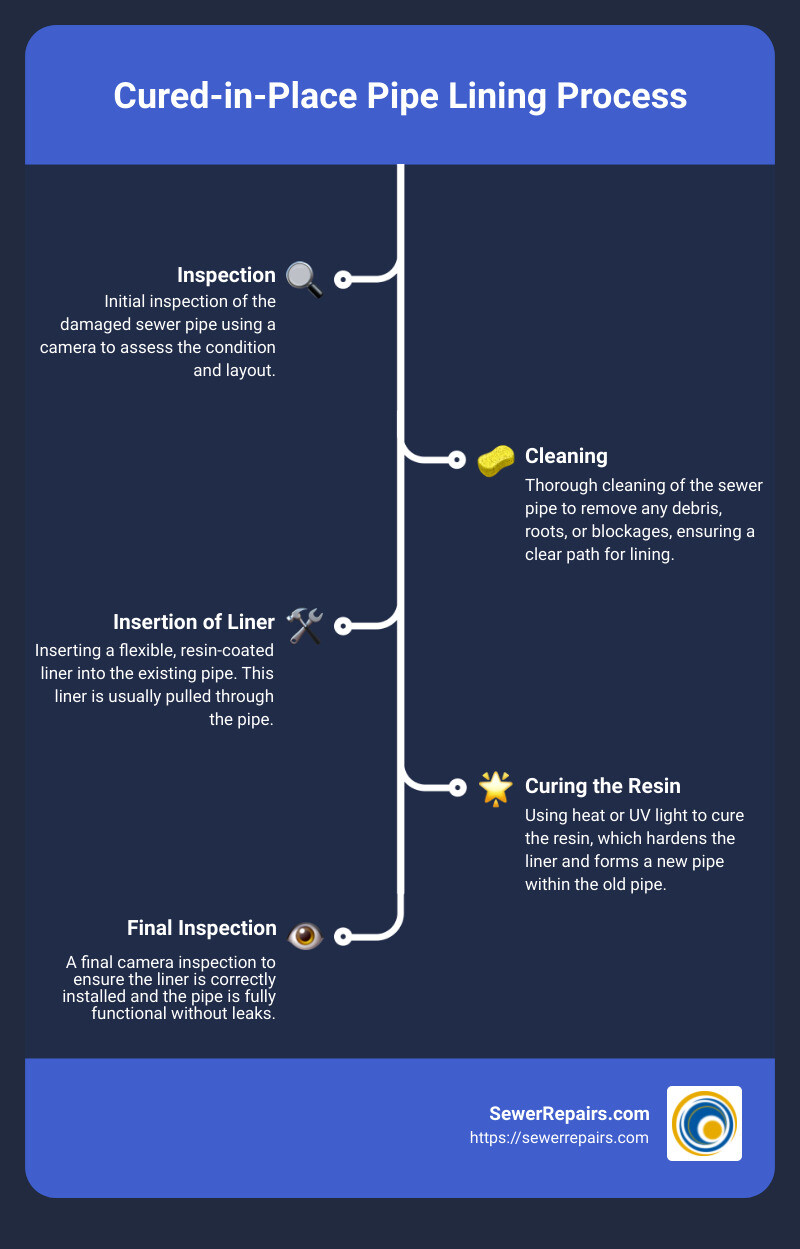
Both methods avoid extensive digging, thus preserving your yard and reducing the disruption to daily life. However, these approaches are each suited to different situations and come with their unique set of pros and cons. As trenchless technology continues to evolve, it becomes crucial for homeowners to stay informed about the best practices and potential pitfalls of this less disruptive form of sewer repair.
Understanding Trenchless Sewer Repair
Trenchless sewer repair is a modern method that allows us to fix or replace sewer lines without the need for disruptive and extensive digging. Here, we’ll explore some key techniques used in trenchless sewer repair: Cured-in-place pipe (CIPP), pipe relining, pipe bursting, and the benefits of minimal excavation.
Cured-In-Place Pipe (CIPP)
CIPP is a popular trenchless repair method that involves inserting a resin-saturated liner into the damaged pipe. This liner is then cured using heat or UV light, forming a robust new pipe within the old one. This method is excellent for repairing pipes that have cracks, leaks, or are beginning to corrode.
Pros:
– Less disruptive: No need to dig up large sections of property.
– Cost-effective: Reduces labor and restoration costs.
– Quick: Often completed in a day.
Cons:
– Not for collapsed pipes: The existing pipe must be structurally sound enough to support the liner.
– Special equipment needed: Requires specific tools and expertise.
Pipe Relining
Pipe relining is similar to CIPP but often involves different materials, such as fiberglass. It’s used to reinforce pipes by creating a “pipe within a pipe.” Relining can be an excellent option for pipes that do not require full replacement but need added strength and leak prevention.
Pros:
– Versatile: Can be used in a variety of pipe sizes and types.
– Long-lasting: Extends the life of existing pipes without replacement.
Cons:
– Limitations on damage: Not suitable for pipes that are too badly damaged or misshapen.
Pipe Bursting
Pipe bursting is used for replacing severely damaged sewer pipes. It involves breaking the old pipe apart as a new one is pulled through it. This method is particularly useful when upsizing the pipe is necessary.
Pros:
– Efficient: Replaces old pipes completely and allows for larger replacements.
– Minimally invasive: Requires only small entry and exit pits.
Cons:
– Risk of damage to nearby utilities: Care must be taken to avoid disrupting other underground services.
– Requires heavy equipment: Not as simple as some other trenchless methods.
Minimal Excavation
One of the biggest advantages of trenchless sewer repair is the minimal need for excavation. This approach not only preserves the landscaping and surface structures but also significantly reduces the repair time and impact on the environment.
Pros:
– Less environmental impact: Reduces the carbon footprint associated with large scale digging operations.
– Lower restoration costs: Less damage to repair post-operation.
Cons:
– Not always possible: Some severe or complex pipe damage might still require traditional excavation.
In summary, trenchless sewer repair methods like CIPP, pipe relining, and pipe bursting offer effective solutions for maintaining and repairing sewer lines with minimal disruption. These methods save time and money while reducing environmental impact. However, they require specialized knowledge and equipment, and are not suitable for every situation. Homeowners should consult with professionals like those at SewerRepairs.com to determine the most appropriate method for their needs. This ensures that the repair is both efficient and durable, leveraging the best of modern technology to extend the life of sewer systems with minimal inconvenience.
Common Problems with Trenchless Sewer Repair
Unexpected Costs
One of the primary problems with trenchless sewer repair is the potential for unexpected costs. While trenchless methods are generally more cost-effective than traditional excavation, they can still encounter unforeseen expenses. Hidden obstacles such as tree roots, old unrecorded utility lines, or severely collapsed pipes may require additional work not initially accounted for. This could lead to an increase in the overall cost of the project. Regular inspection and a thorough assessment before starting the repair can help mitigate these risks.
Expertise and Equipment
Trenchless sewer repair requires specific expertise and specialized equipment. Not every contractor has the necessary tools or the trained personnel to perform these advanced techniques effectively. At SewerRepairs.com, professionals are equipped with state-of-the-art technology and have the required experience to handle complex trenchless repairs. This ensures high-quality results that are both efficient and reliable.
Limitations of Trenchless Repair
While trenchless repair is highly effective for many scenarios, it is not a miracle solution. Some severe damage might be too extensive for trenchless methods to be effective. For instance, pipes that are backpitched or have a sag in the line cannot be fixed with cured-in-place pipe lining as the new liner would simply replicate the existing flaws. Additionally, the presence of multiple bends or junctions in the sewer line can complicate the trenchless repair process.
Risk of Utility Damage
Another significant concern is the risk of damaging existing utility lines during the trenchless repair process. Accidental strikes of gas, water, or electrical lines can lead to serious safety hazards and additional costs. Proper location and mapping of all utility lines before beginning any trenchless repair are crucial to prevent such incidents. Professionals at SewerRepairs.com always ensure to use advanced detection techniques to minimize the risk of utility damage.
Regulatory Challenges
Trenchless sewer repairs are often subject to various building codes and need specific permits before work can commence. Different municipalities may have different regulations regarding trenchless repairs, which can complicate the process. Understanding and adhering to these regulations is essential to avoid legal issues and ensure the repair is compliant with local laws. This is why working with a knowledgeable and experienced provider like SewerRepairs.com, who is familiar with these requirements, is vital.
In summary, while trenchless sewer repair offers numerous advantages, it comes with its own set of challenges that need careful consideration. Homeowners and property managers looking to utilize this method should be aware of these potential issues and consult with seasoned experts like those at SewerRepairs.com to navigate these complexities effectively. This approach ensures that the benefits of trenchless repair can be fully realized without unexpected setbacks.
Advantages of Trenchless Sewer Repair
Trenchless sewer repair is a modern solution that addresses many of the drawbacks associated with traditional sewer repair methods. Below, we explore the significant advantages of opting for trenchless technology.
Minimal Disruption
One of the standout benefits of trenchless sewer repair is the minimal disruption it causes to the surrounding environment. Unlike traditional methods that require extensive digging and excavation, trenchless repair techniques need only small access points to reach the sewer lines. This approach means less damage to landscapes, driveways, and other surface structures, making it a preferred option for urban areas where such disruptions can be particularly problematic.
Faster Repair Time
Trenchless sewer repair is not only less invasive but also faster than traditional methods. Projects that once took weeks can now be completed in a matter of days. This rapid turnaround is possible because there’s no need for large-scale excavation or lengthy post-repair cleanups. For businesses and homeowners, this means a quicker return to normalcy with significantly reduced downtime.
Cost Savings
Although the initial cost of trenchless sewer repair might be higher than some traditional methods, the overall financial benefits are clear. By eliminating the need for extensive excavation, the costs associated with labor and machinery are drastically reduced. Furthermore, because there’s minimal disruption to landscapes and structures, there’s less spending on restoration efforts post-repair. Over time, these savings can be substantial, making trenchless repair a cost-effective choice for long-term infrastructure maintenance.
In summary, trenchless sewer repair offers compelling advantages such as minimal disruption, faster repair times, and potential cost savings. These benefits make it an attractive option for those looking to repair or upgrade their sewer systems efficiently and effectively. For anyone considering this method, consulting with a knowledgeable and experienced provider like SewerRepairs.com, who is familiar with these techniques, is essential to ensure a successful outcome. This approach allows property owners to enjoy the full advantages of trenchless technology without any hassle.
Frequently Asked Questions about Trenchless Sewer Repair
What are the cons of trenchless sewer repair?
Trenchless sewer repair, while innovative and less disruptive, is not without its drawbacks. Here are some of the main cons to consider:
- Limited Applicability: Not all sewer line issues can be resolved with trenchless methods. For severely damaged pipes that have collapsed or are misaligned due to ground movement, traditional excavation might be necessary.
- Initial Cost: The upfront cost can be higher than traditional methods due to the specialized equipment and materials required, such as resin and cured-in-place pipe liners.
- Access Requirements: Trenchless repair requires specific conditions and sufficient space to create access points, which might not be available in all locations.
- Potential for Undetected Damage: Since the process involves less excavation, existing damage to nearby utilities might go unnoticed and unaddressed.
How long does trenchless sewer pipe last?
The longevity of a trenchless sewer repair can vary but is generally quite favorable. Trenchless methods like CIPP (Cured-In-Place Pipe) lining and pipe bursting are designed to last:
- Durability: These repairs can last anywhere from 50 to 100 years. Materials used in trenchless repairs, such as high-quality epoxy resins, are resistant to corrosion, wear, and tear.
- Warranty: Many manufacturers offer warranties that can extend up to 50 years, reflecting the durability and longevity of the repair work.
- Maintenance: Regular maintenance is crucial to extend the lifespan of trenchless repairs. This includes routine inspections and cleaning to ensure the sewer line remains in good working condition.
What is the disadvantage of pipe relining?
Pipe relining, a popular trenchless repair technique, involves inserting a resin-coated liner into the existing pipe, which then hardens and acts as a new pipeline. While effective, there are some disadvantages:
- Reduced Diameter: Pipe relining can slightly reduce the internal diameter of the pipe, which may impact the flow rate of the sewer system.
- Existing Pipe Condition: The success of pipe relining heavily depends on the condition of the original pipe. It is not suitable for pipes that are collapsed or have major structural faults.
- Cost: The materials and technology used in pipe relining can make it more expensive than some other repair methods, although it is often more cost-effective than full pipe replacement.
Understanding these aspects is crucial for anyone considering trenchless sewer repair. While there are some potential drawbacks, the benefits of reduced disruption and long-lasting results make it a compelling choice for many. As always, consulting with professionals like those at SewerRepairs.com ensures that any trenchless repair is conducted with the highest standards of quality and care.
Conclusion
As we’ve explored the intricacies and potential challenges of trenchless sewer repair, it’s clear that this method, while highly effective, requires careful consideration and expert handling. The problems with trenchless sewer repair often stem from unforeseen complications such as hidden obstacles or regulatory hurdles. However, these can be effectively managed with thorough initial assessments and the expertise of seasoned professionals.
At SewerRepairs.com, our commitment to excellence and deep understanding of trenchless technology set us apart. Our team is not only equipped with state-of-the-art tools but is also deeply knowledgeable about the latest industry standards and local regulations. This ensures that every project we undertake is executed efficiently, compliantly, and with minimal disruption.
Assessment by Experts
Before any trenchless repair project begins, a comprehensive evaluation is crucial. Our experts at SewerRepairs.com conduct detailed inspections using advanced diagnostic equipment to accurately assess the condition of your sewer lines. This step is vital to identify any potential issues that could complicate the repair process, such as severe pipe damage or nearby utility lines. By understanding the specific challenges of your sewer system, we can tailor our approach to ensure the most effective repair solution.
SewerRepairs.com Expertise
Our team’s expertise is not just in handling the equipment or performing the repairs but also in providing a seamless, hassle-free experience for our customers. From the initial consultation to the final inspection, we handle every detail with precision and care. Our technicians are trained to address your concerns, explain the process clearly, and keep you informed every step of the way. This customer-first approach has earned us trust and commendation in the communities we serve.
In conclusion, while trenchless sewer repair offers numerous advantages such as reduced disruption and cost savings, it also demands a high level of expertise and proper planning. By choosing SewerRepairs.com, you are partnering with a team that brings decades of experience and a commitment to quality. Let us help you navigate the complexities of trenchless repair, ensuring a durable and efficient solution for your sewer needs. Contact us today to discuss how our expert assessments and trenchless repair solutions can benefit your property.