
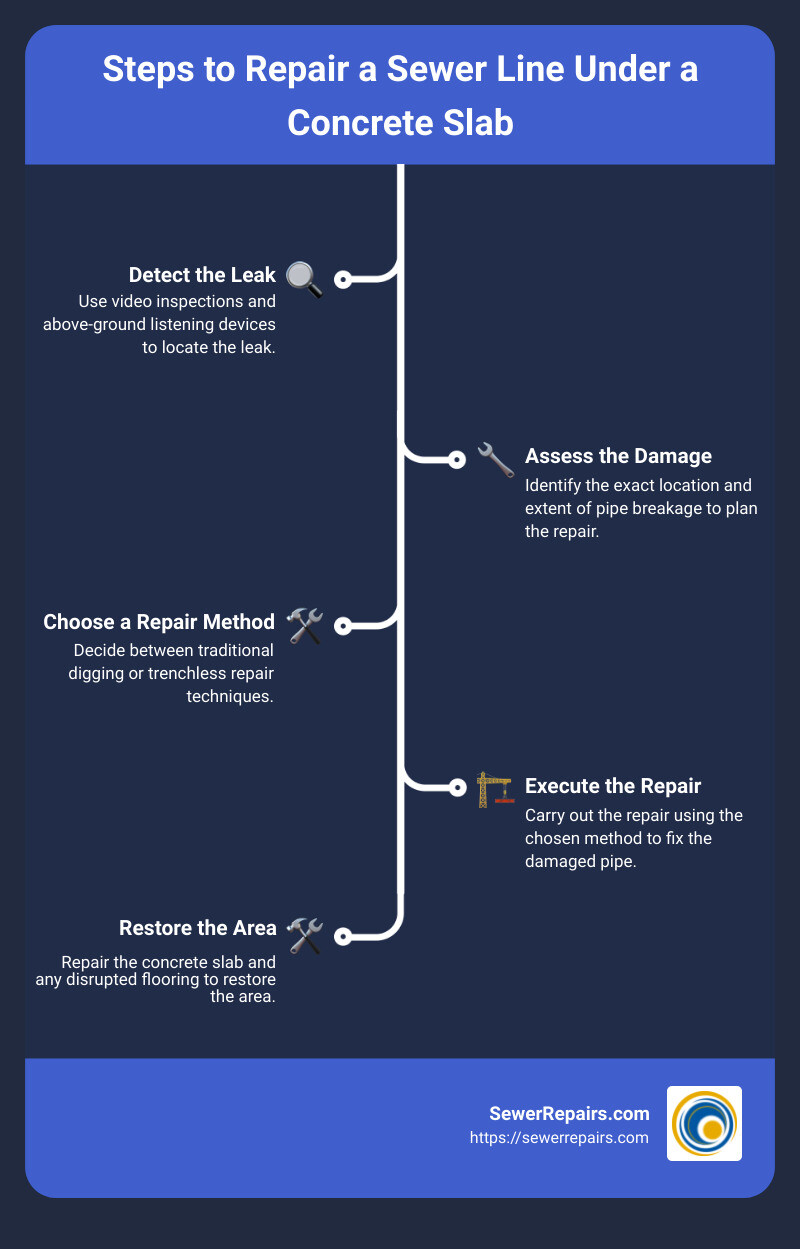
Fixing sewer line under slab can be a daunting task for any homeowner. When sewer pipes beneath a concrete slab break, it often leads to immediate and critical problems like noticeable water leaks, damp carpets, and mold growth. Here are the essential steps for addressing this issue:
- Detect the Leak: Use video inspections and above-ground listening devices.
- Assess the Damage: Identify the exact location and extent of the pipe breakage.
- Choose a Repair Method: Decide between traditional digging or trenchless repair techniques.
- Execute the Repair: Fix the pipe using the chosen method.
- Restore the Area: Repair the concrete slab and any disrupted flooring.
Finding a broken sewer line below a slab foundation poses unique challenges. Unlike homes with basements or crawlspaces, buildings with slab foundations make accessibility difficult. Traditional methods involve disruptive excavation, but newer techniques, like trenchless pipe repair, offer less invasive solutions.
I’m Jason Best, and with over 20 years of experience in plumbing and sewer repairs, I’ve seen how innovations like trenchless technology have revolutionized fixing sewer line under slab. Let’s dig into identifying the problem and explore your options for a smoother, more efficient repair.
Identifying the Problem
Before you can fix a broken sewer line under a slab, you need to identify the problem accurately. This involves detecting leaks, recognizing signs of damage, and using the right diagnostic tools.
Common Signs of a Broken Sewer Pipe
Identifying a broken sewer pipe under your slab isn’t always straightforward. However, there are some tell-tale signs you can look for:
- Wet Floors: If you notice unexplained wet spots on your concrete floors, this could be a sign of a sewer pipe leak. Concrete slabs are porous, so water can seep through and create visible damp areas.
- Mildew or Mold: The presence of mildew or mold on carpets, rugs, or furnishings that sit on a concrete slab can indicate a slab leak. This happens because the foundation above the leak becomes saturated with moisture.
- Visible Water Pools: Small pools of water on your floor, particularly if they are warm, could suggest a leak from a hot water line under the slab.
- Cracks in the Foundation: Cracks or buckling in your foundation, whether indoors on floors and walls or outside on low sections, can be a sign of a slab leak that has compromised the structural integrity of your home.
- High Water Bills: An unusually high water bill that persists over time can indicate a hidden leak somewhere in your home, potentially under the slab.
Diagnostic Tools
Once you suspect a broken sewer pipe, the next step is to confirm and pinpoint the issue using diagnostic tools. Here are two key methods:
- Video Inspection: A video pipe inspection is the most effective way to locate the exact spot and nature of the problem. A small camera is inserted into the sewer line, providing real-time visuals of the interior condition of the pipes. This method helps identify cracks, breaks, or blockages without invasive digging.
- Listening Devices: Plumbers use specialized listening devices to detect the sound of water leaking from pipes beneath the slab. This non-invasive method can help narrow down the location of the leak, making the repair process more efficient.
By understanding the signs and employing the right tools, you can identify a broken sewer pipe under your slab foundation accurately. This sets the stage for choosing the best repair method, whether it’s traditional excavation or a modern trenchless technique.
Traditional Methods for Fixing Sewer Lines Under Slab
When it comes to fixing sewer lines under a slab, traditional methods are often considered the go-to solutions. These methods involve more invasive techniques but are necessary for extensive damage. Let’s explore the two primary traditional methods: the dig-and-replace method and spot repair.
Dig-and-Replace Method
This is the most straightforward approach but also the most labor-intensive. It involves the following steps:
- Excavation: The first step is to locate the damaged section of the sewer line. This usually requires cutting through the concrete slab using jackhammers or concrete saws. Once the slab is removed, the soil beneath is excavated to expose the damaged pipe.
- Pipe Replacement: After exposing the damaged pipe, the next step is to remove it. A new pipe, typically made of PVC or another durable material, is then installed in place of the old one. This ensures that the sewer system is restored to full functionality.
- Concrete Relaying: Once the new pipe is securely in place, the excavated area is backfilled with soil. The final step involves relaying the concrete slab. This process includes pouring new concrete and allowing it to cure, ensuring the structural integrity of the floor is restored.
While effective, the dig-and-replace method can be costly and time-consuming. According to Forbes, get multiple quotes to understand the full scope and cost of the project.
Spot Repair
For less extensive damage, spot repair can be a more cost-effective and less invasive option. This method focuses on repairing a localized section of the sewer pipe rather than replacing the entire line. Here’s how it works:
- Localized Excavation: Similar to the dig-and-replace method, the first step is to cut through the concrete slab to access the damaged section of the pipe. However, the excavation is limited to a smaller area, minimizing disruption.
- Pipe Patching: Once the damaged section is exposed, a patch or sleeve is used to repair the pipe. This can involve inserting a resin-coated liner into the pipe and inflating it until it hardens, sealing any cracks or holes. Alternatively, a mechanical patch can be applied directly to the damaged area.
Spot repair is quicker and less expensive than full pipe replacement. However, it may not be suitable for pipes with extensive damage or deterioration. According to a Quora expert, “There are limits to how broken the pipe can be” for spot repairs to be effective.
By understanding these traditional methods, homeowners can make informed decisions about the best approach for their specific situation. Whether opting for a full dig-and-replace or a more localized spot repair, it’s crucial to consult with experienced professionals to ensure the job is done correctly.
Trenchless Repair Methods
Modern trenchless repair methods offer less invasive and more cost-effective solutions for fixing sewer lines under a slab. Let’s explore two primary trenchless techniques: Cured-In-Place Pipe (CIPP) lining and pipe bursting.
Cured-In-Place Pipe (CIPP) Lining
CIPP lining is a trenchless technology that allows for the repair of damaged sewer pipes without extensive excavation. Here’s how it works:
- Resin-Coated Liner: A flexible liner coated with epoxy resin is prepared. This liner is custom-built to fit inside the existing pipe.
- Insertion and Inflation: The liner is inserted into the damaged pipe through a small access point. Once inside, it is inflated to press against the inner walls of the existing pipe.
- Curing Process: A steady stream of hot steam or UV light is sent through the pipe to cure the resin. This process hardens the resin, creating a new, durable pipe within the old one.
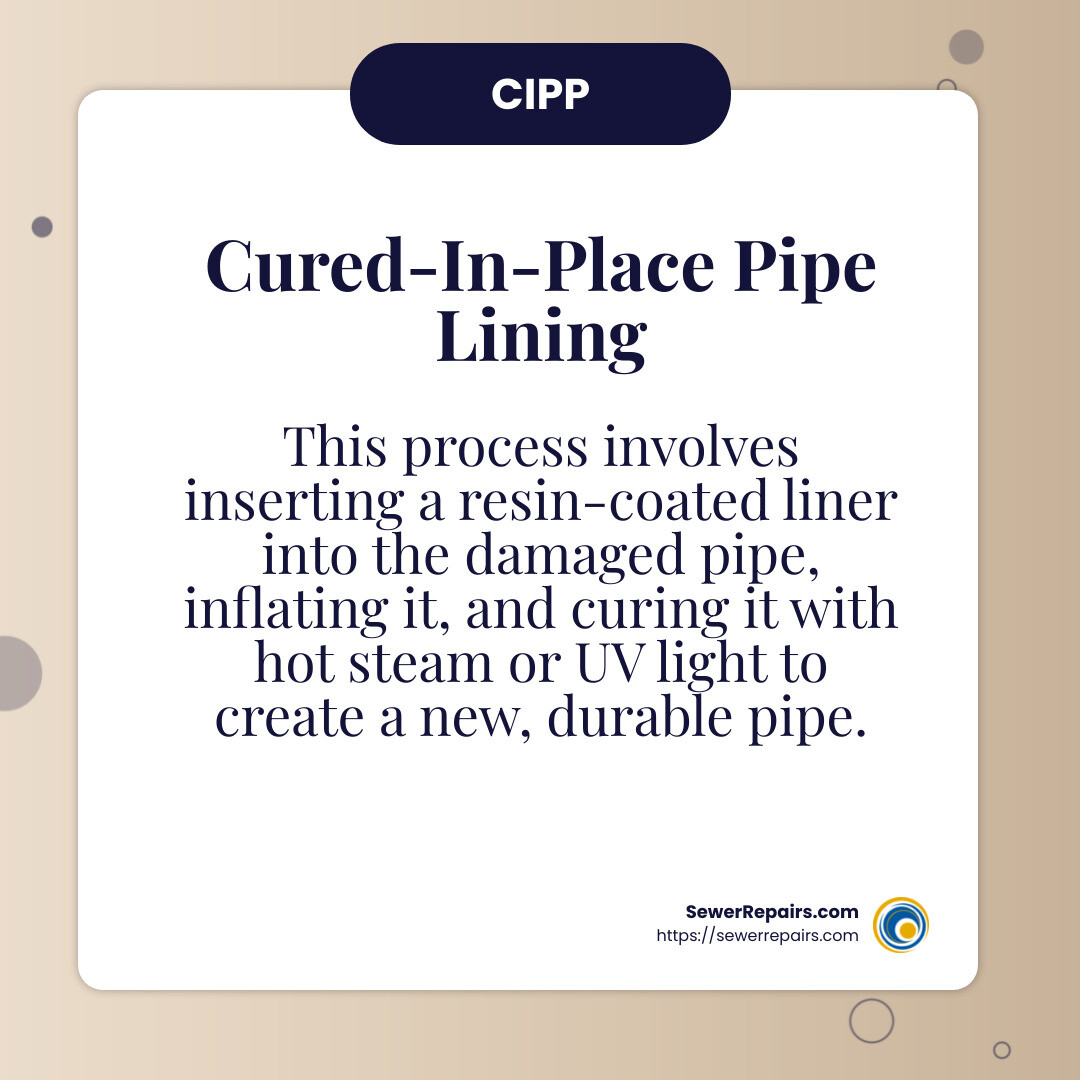
CIPP lining is effective for sealing cracks and holes, extending the lifespan of sewer pipes up to 100 years. The Forbes article notes that this method is less invasive and can be completed within 12 to 24 hours. However, it requires the pipe to be thoroughly cleaned and dried before the liner is inserted.
Pipe Bursting
Pipe bursting is another trenchless method suitable for extensively damaged sewer lines. This technique involves breaking the old pipe and simultaneously installing a new one. Here’s a step-by-step look at the process:
- Preparation: Two small pits are dug at either end of the damaged pipe to serve as access points.
- Pipe Breaking: A hydraulically-powered bursting head is inserted into the old pipe. As it moves through, it breaks the existing pipe apart.
- New Pipe Insertion: Attached to the bursting head is a new, flexible pipe made of high-density polyethylene (HDPE). As the old pipe breaks, the new pipe is pulled into place behind the bursting head.

This method is advantageous because it requires minimal excavation and allows for the installation of a new, more durable pipe. According to SewerRepairs.com, the new HDPE pipe can last up to 100 years, making it a long-term solution for sewer line issues.
Both CIPP lining and pipe bursting offer efficient, less disruptive alternatives to traditional methods. These trenchless technologies minimize the need for extensive digging, reducing the overall cost and time required for repairs.
Alternative Solutions
When traditional and trenchless methods aren’t viable, alternative solutions like rerouting and tunneling beneath the slab can offer effective ways to address sewer line issues. These methods can be less invasive and sometimes more cost-effective.
Rerouting Sewer Lines
Rerouting involves creating a new path for the sewer line that avoids the damaged section under the slab. This method is particularly useful when the existing pipe is beyond repair or when trenchless methods aren’t feasible.
Benefits:
- Avoids Slab Disruption: No need to break through the concrete slab.
- Cost Considerations: Generally cheaper than extensive excavation.
- Speed: Often quicker to implement than other methods.
Steps Involved:
- Assessment: A thorough inspection using video cameras to locate the damage and plan the new route.
- Planning: Engineers design a new path for the sewer line, typically around the perimeter of the house.
- Installation: New pipes are laid along the planned route, connecting to the existing system at points that avoid the damaged section.
Tunneling Beneath the Slab
Tunneling is another alternative that involves creating a tunnel under the slab to access and replace the damaged pipe. This method is less invasive than traditional excavation but more complex than rerouting.
Benefits:
- Minimal Surface Disruption: Keeps the concrete slab intact.
- Direct Replacement: Allows for the direct replacement of the damaged pipe.
Steps Involved:
- Tunnel Creation: Specialized equipment is used to dig a tunnel from an access point outside the house to the damaged pipe’s location. This tunnel is usually about 3-4 feet in diameter.
- Pipe Replacement: The damaged pipe is removed and replaced with a new one. High-pressure water and suction hoses may be used to assist in the digging process.
- Soil Stabilization: After the new pipe is installed, the tunnel is filled with compacted soil or sand to ensure stability.
Cost Considerations:
- Labor and Equipment: Tunneling often requires specialized equipment and skilled labor, making it more expensive than rerouting.
- Engineering Reports: Soil engineers may need to assess the tunnel to ensure it meets safety standards, adding to the cost. As noted in a Reddit post, soil compaction reports can be quite costly but are often required by local authorities.
Both rerouting and tunneling offer viable alternatives for fixing sewer lines under a slab. These methods can avoid the need for extensive excavation and slab disruption, making them attractive options for many homeowners.
Cost Considerations
When it comes to fixing sewer lines under a slab, understanding the cost factors is crucial. Costs can vary significantly based on the method used, labor involved, and materials required. Let’s break down the average costs for different methods.
Cost Factors
- Labor: Labor costs can range from $45 to $200 per hour. The complexity of the job will influence the total labor cost.
- Materials: The type and quantity of materials needed will also affect the overall cost. For example, using high-quality PVC pipes will be more expensive than lower-grade materials.
- Accessibility: If the sewer line is difficult to reach, expect higher costs due to the extra effort required.
- Damage Extent: The more extensive the damage, the higher the repair cost. Severe leaks may require more labor and materials.
Traditional Repair Costs
Traditional methods, such as dig-and-replace or spot repair, are generally more invasive and costly. Here’s a quick breakdown:
- Dig-and-Replace: Involves breaking through the slab, excavating the damaged pipe, and replacing it. Costs range from $5,703 to $21,500, depending on the extent of the damage and the area to be excavated.
- Spot Repair: This method is less expensive but still involves localized excavation. Costs can range from $1,200 to $4,000.
Trenchless Repair Costs
Trenchless repair methods are less invasive and often more cost-effective. They include:
- Cured-In-Place Pipe (CIPP) Lining: This method involves inserting a resin-coated liner into the damaged pipe, inflating it, and letting it cure. Costs range from $1,200 to $3,500. This method is quick and usually completed within a day.
- Pipe Bursting: Involves breaking the old pipe and pulling a new one into place. This method is also cost-effective and ranges from $3,000 to $15,000 depending on the length and complexity of the job.
Rerouting Costs
Rerouting the sewer line to avoid the damaged section under the slab is another option. This method can be particularly useful when the existing pipe is beyond repair.
- Rerouting: Costs can range from $10,000 to $20,000. While rerouting avoids breaking through the slab, it involves laying new pipes around the perimeter of the house, which can be labor-intensive. One Reddit user received a quote of $14k to reroute the sewer lines externally.
Tunneling Costs
Tunneling beneath the slab is less invasive than traditional methods but more complex than rerouting.
- Tunneling: Costs can range from $15,000 to $25,000. This method involves creating a tunnel under the slab to access and replace the damaged pipe. As noted in a Reddit post, the total cost can include expenses for specialized equipment, skilled labor, and engineering reports. One user reported a cost of $20k for a tunneling project, which included soil compaction reports costing around $5,000.
Understanding these cost considerations can help you make an informed decision about the best method for fixing sewer lines under a slab. Whether you choose traditional, trenchless, rerouting, or tunneling methods, knowing the average costs and factors involved will help you budget accordingly.
Frequently Asked Questions about Fixing Sewer Line Under Slab
How to fix sagging sewer line under slab?
Fixing a sagging sewer line under a slab can be done using various methods, each with its own pros and cons:
- Dig-and-Replace: This traditional method involves breaking the concrete slab, excavating the sagging section, and replacing it with new piping. It’s thorough but invasive and costly.
- Trenchless Repair: This includes techniques like Cured-In-Place Pipe (CIPP) Lining and Pipe Bursting. These methods are less invasive, quicker, and often more cost-effective. For example, CIPP involves inserting a resin-coated liner into the existing pipe, inflating it, and letting it cure. Pipe bursting involves breaking the old pipe while pulling a new one into place.
- Pipe Rerouting: This method involves laying new pipes around the perimeter of the house, avoiding the slab altogether. It can be a good option if the existing pipe is severely damaged.
- Tunneling Beneath the Slab: Involves creating a tunnel under the slab to access and replace the sagging pipe. This method is less invasive than breaking the slab but can be complex and costly.
How long does it take to replace a sewer line under a concrete slab?
The time required to replace a sewer line under a concrete slab varies depending on the method used:
- Traditional Method (Dig-and-Replace): This method can take several days to a few weeks. It involves breaking through the slab, excavating the damaged pipe, replacing it, and then relaying the concrete. The duration depends on the extent of the damage and the area to be excavated.
- Trenchless Method: Trenchless techniques like CIPP Lining or Pipe Bursting are much quicker, often completed within 1 to 3 days. These methods require minimal excavation and less disruption to your home.
- Pipe Rerouting: This can take a few days to a week, depending on the complexity of laying new pipes around the house.
- Tunneling: This method can take several days to a week, depending on the length of the tunnel and the complexity of the job. As noted in a Reddit post, a tunneling project can be complex and involve multiple stages, including soil compaction reports.
How do you fix a broken pipe under a slab?
Fixing a broken pipe under a slab involves several steps and can be done using different methods:
- Traditional Method (Dig-and-Replace):
- Slab Breaking: Break through the concrete slab to access the damaged pipe.
- Excavation: Excavate the damaged section of the pipe.
- Pipe Replacement: Replace the broken pipe with a new one.
- Concrete Relaying: Relay the concrete slab once the pipe is replaced.
- Trenchless Method:
- CIPP Lining: Insert a resin-coated liner into the damaged pipe, inflate it, and let it cure, forming a new pipe within the old one.
- Pipe Bursting: Break the old pipe while pulling a new one into place using specialized equipment.
- Pipe Rerouting: Lay new pipes around the perimeter of the house to avoid the damaged section under the slab. This method can be useful when the existing pipe is beyond repair.
- Tunneling: Create a tunnel under the slab to access and replace the damaged pipe. This method is less invasive than breaking through the slab but involves specialized equipment and skilled labor.
Each method has its advantages and disadvantages, and the best choice depends on the specific circumstances of your situation. For more detailed information, you can refer to SewerRepairs.com for expert advice and services.
Call SewerRepairs.com Today!
Fixing a sewer line under a slab can seem like a daunting task, but with the right approach, it can be managed efficiently and effectively. Each method, whether it’s traditional dig-and-replace, trenchless repair, pipe rerouting, or tunneling, has its own set of advantages and challenges. The best choice depends on the specific situation, including the extent of the damage, the layout of your property, and your budget.
At SewerRepairs.com, we specialize in minimally invasive and cost-effective solutions like CIPP lining and trenchless repairs. Our team of experts is dedicated to providing top-notch service to ensure your sewer system is back to optimal functioning with minimal disruption to your home.
Expert Advice
- Get a Professional Inspection: Before deciding on a repair method, have a professional inspect your sewer line. This will help you understand the extent of the damage and the best repair options available.
- Consider Trenchless Methods: If you want to avoid major disruptions to your home, trenchless methods like CIPP lining or pipe bursting are excellent options. They are quicker and often more cost-effective than traditional methods.
- Seek Multiple Quotes: Always get at least three quotes from different service providers. This will help you compare prices and services to make an informed decision.
- Check for Warranties: Ensure that the repair service you choose offers a warranty. This can provide peace of mind knowing that your investment is protected.
- Consult with Experts: Don’t hesitate to ask questions and seek advice from professionals. The team at SewerRepairs.com is always ready to help you with any concerns or questions you may have about your sewer line repair.
By following these tips and choosing the right repair method, you can ensure that your sewer line is fixed efficiently, effectively, and with minimal disruption to your home. For expert advice and professional sewer repair services, don’t hesitate to contact us at SewerRepairs.com.