Most homeowners seldom think about their sewer lines—until something goes wrong. When you need to find your sewer lines, you are likely facing a plumbing emergency, planning a home improvement project, or preparing for landscaping work. Here are the most effective methods to locate your sewer lines:
Quick Methods to Find Sewer Lines on Your Property:
- Check property documents – Review blueprints, surveys, and as-built drawings
- Locate the sewer cleanout – Look for a 4-inch pipe with a cap near your foundation
- Call 811 – Free utility marking service (marks lines within 2-3 days)
- Use a pipe locator – Rent equipment to trace lines electronically
- Check with city offices – Building departments often have sewer maps
- Hire a professional – Plumbers use specialized equipment for accurate location
Whether you’re installing a fence, planting trees, or dealing with a sewage backup, knowing where your sewer line runs can save you from costly damage and messy disasters. Sewer lines can be buried anywhere from 18 inches to 8 feet deep, making them invisible hazards for any digging project.
The stakes are high. Accidentally hitting a sewer line can result in thousands of dollars in repairs, environmental contamination, and serious health hazards. That’s why this comprehensive guide covers everything from simple DIY methods to professional services.
I’m Jason Best, and for over 20 years, I’ve been helping Southern California homeowners tackle sewer line issues through SewerRepairs.com. As a master technician, I’ve learned that the foundation of effective sewer maintenance is knowing precisely where your sewer lines are located and having a clear understanding of your system’s layout.
Why Locating Your Sewer Line is Non-Negotiable
Knowing where your sewer line runs isn’t optional—it’s essential. After two decades of helping homeowners steer sewer disasters, I’ve seen too many preventable catastrophes. Imagine starting a deck project, only to have a backhoe crack your sewer line. What was a weekend project is now an expensive nightmare of raw sewage, cleanup crews, and unhappy neighbors.
This scenario is more common than you think. Whether you’re installing a fence, planting trees, or doing any landscaping, every shovel in the ground is a potential hazard. Sewer lines hide anywhere from 18 inches to 8 feet underground, making them invisible threats.
Beyond preventing damage, quick access during a sewer emergency can save you thousands. If you can direct our crew to your cleanout or the problem area, we can diagnose and fix issues before they escalate. Knowing your sewer line’s location protects your property value, ensures compliance with local codes, and provides invaluable peace of mind.
For a deeper understanding of how your entire wastewater system works together, check out our comprehensive guide on Understanding Your Home’s Sewer System.
Common Signs of a Sewer Line Problem
Your sewer line sends distress signals before a complete failure. Ignoring these signs is like ignoring a check engine light—the problem only gets worse and more expensive. Be on the lookout for these red flags:
- Multiple Fixtures Clogging: If your kitchen sink, shower, and toilet all back up at once, the problem is in your main sewer line, not individual drains.
- Slow Drains Throughout the House: When multiple drains are slow and a plunger doesn’t help, the issue is likely deep in your system.
- Gurgling Sounds: Gurgling from toilets when you use a sink or shower indicates trapped air in the pipes, a classic sign of a blockage.
- Foul Odors: A distinct sewage smell in your yard or basement means wastewater is escaping from a crack or backup.
- Lush Patches of Grass: A suspiciously green and thriving strip of grass in your yard can indicate a sewer line leak, as sewage acts as a fertilizer.
- Sewage Backup: This is the most obvious sign. If raw sewage is coming up through your drains, you have a severe blockage that needs immediate attention.
- Foundation Issues or Sinkholes: A long-term, undetected leak can erode the soil supporting your home’s foundation. This process, known as soil washout, can lead to settlement, cracks in your foundation walls, and visible depressions or sinkholes in your yard. According to the International Association of Certified Home Inspectors, such leaks can compromise the structural integrity of your home if left unaddressed.
- Sudden Rodent Problems: Rats can live in municipal sewers and use cracks in your private sewer line as a highway into your home’s walls and crawlspaces.
If you’re experiencing any of these issues, our guide on 6 Warning Signs of a Sewer Line Leak can help you identify the symptoms before they become emergencies.
Public vs. Private Sewer Lines: Know Your Responsibility
Many homeowners mistakenly believe the city handles all sewer problems. Understanding where your responsibility begins and ends can save you from shocking repair bills.
- Your Private Sewer Lateral: This is the pipe that runs from your home’s foundation to the city’s main sewer line (usually under the street). You are responsible for all maintenance and repairs on this section. Clogs, root intrusion, or breaks in this line are your financial responsibility.
- The Municipal Sewer System: These are the large, publicly owned pipes that collect wastewater from your entire neighborhood. Your taxes and utility fees pay for their upkeep, but you are not directly responsible for repairs.
- Septic Systems: If your home has a septic system, you are responsible for everything—the tank, drain field, and all maintenance. There is no city connection.
The exact connection point between your private lateral and the public main varies by municipality. It’s typically near the property line, but you should always verify with your local public works or building department to know where your liability ends. This division of responsibility is a critical concept for homeowners nationwide. The U.S. Environmental Protection Agency (EPA) notes that overflows from private laterals are a significant source of sewage release, emphasizing the homeowner’s role in preventing sewer backups.
How to Find Sewer Lines on Your Property: 6 Proven Methods
When you need to find your sewer lines, a systematic approach is best. We recommend combining several methods, starting with the easiest and moving to more complex options to pinpoint your sewer line’s location.
Let’s explore the proven methods we use and recommend.
Method 1: Consult Official Documents and Maps
Before you dig, start with your home’s paper trail. This is the most cost-effective way to find your sewer lines.
- Property Blueprints & As-Built Drawings: These architectural plans, if available, often detail the layout of plumbing and utility lines as they were originally installed.
- Property Survey: Your home purchase documents should include a survey that may show utility easements. These easements are portions of your property that utility companies have the right to access, giving you strong clues about where main lines might run.
- City Building or Engineering Department: Your local city or county offices are a goldmine. They maintain maps of underground utilities, including public sewer mains. Many municipalities now offer these maps through online Geographic Information System (GIS) portals. For example, residents in Los Angeles can use the SteerLA portal to view a wealth of utility information. Check your local government’s website for a similar tool. Be aware that these maps show the public system and may only approximate the location of your private lateral’s connection. Older maps can also be generalized, so use them as a starting point, not a final answer.
Method 2: Locate the Sewer Cleanout
The sewer cleanout is your primary access point to the main sewer line, designed for inspection and clearing blockages.
What it Looks Like: Look for a 3- to 4-inch diameter pipe (usually white PVC or black cast iron) with a screw-on cap or a square knob on top. It might be inside a buried plastic box to protect it and keep it accessible.
Where to Find It:
- Outdoors: Check near your home’s foundation, especially on the side closest to your main bathrooms or kitchen. It’s often within a few feet of the house. It may also be near the curb or sidewalk where your private line connects to the city main. It could be flush with the ground or hidden by landscaping, so you may need to probe the area carefully.
- Indoors: In some homes, especially older ones or those with basements, the cleanout is in the basement, crawl space, or garage, often as a capped pipe sticking up from the floor.
Once you find the cleanout, you’ve found a direct entry to your sewer line. For more details, see our guide: How to Locate and Use Your Sewer Cleanout.
Method 3: Call Before You Dig with 811
This is the most important step before any digging project. In the U.S., 811 is the free national call-before-you-dig service designed to prevent dangerous and costly utility strikes.
How it Works:
- Call 811 or visit Call 811 before you dig online a few days before you plan to dig.
- Provide Project Details about your location and the work you’re doing.
- Wait for Marking: Utility companies will visit your property within 2-3 business days to mark their lines with color-coded flags or paint.
Utility Color Codes:
- Green: Sewers and drain lines
- Red: Electric
- Yellow: Gas, oil, steam
- Orange: Communications (TV, internet, phone)
- Blue: Potable water
- White: Proposed excavation area
Important Limitation: 811 typically only marks public utility lines up to your property line. They will mark the city’s main sewer line but usually will not mark your private sewer lateral from the main to your house. This service is essential for safety but is just one piece of the puzzle for finding your own line.
Method 4: Advanced DIY Techniques to find sewer lines on your property
If simpler methods fail, you can rent specialized equipment for a more hands-on approach.
Pipe Locators:
These electronic devices are the most effective DIY tool. You can rent one from an equipment store. A pipe locator works by using a transmitter and a receiver.
- Feed a flexible line with a small transmitter (sonde) on the end into your sewer line via a cleanout.
- The transmitter sends out a radio signal.
- Walk across your yard with the handheld receiver wand. It will beep loudest when it is directly above the transmitter.
- Mark the spot with a flag, feed the line further, and repeat the process. Connecting the flags will map your sewer line’s path.
Can I use a metal detector?
Generally, no. Most modern sewer lines are made of non-metallic PVC or plastic. While it might detect an older cast iron pipe or cleanout cap, it’s not a reliable method for tracing an entire line.
When to Call in the Professionals
Sometimes, the DIY approach isn’t enough. Recognizing when to call a professional is crucial and can save you from costly mistakes.
DIY methods have limitations. City maps can be outdated, and cleanouts can be buried or nonexistent in older homes. Complex properties with additions or unusual layouts make tracing a line exponentially harder. For major projects like a pool or home addition, certainty is non-negotiable. One miscalculation can turn your dream project into a sewage disaster.
You should hire a plumber when:
- You can’t find the line after trying the basic methods.
- You suspect a clog or damage, especially if you see the warning signs discussed earlier.
- You are planning a major renovation or landscaping project.
- You have safety concerns about digging near underground utilities.
What to Expect from a Professional Service
When you call SewerRepairs.com, you get guaranteed accuracy from experts with specialized equipment. Our primary tool is the sewer line video inspection, which provides a complete picture of your sewer line’s location and condition.
We feed a high-resolution waterproof camera into your sewer line through a cleanout. The live video feed allows us to see everything inside your pipes. The camera head contains a locator (sonde) that emits a signal, allowing us to trace the pipe’s exact path and depth from above ground.
This inspection goes beyond just location. We can identify:
- Blockages: From grease, debris, or foreign objects.
- Tree Root Intrusion: The most common cause of sewer line damage.
- Pipe Damage: Cracks, breaks, corrosion, or collapsed sections.
- “Bellied” Pipes: Sagging sections where waste collects.
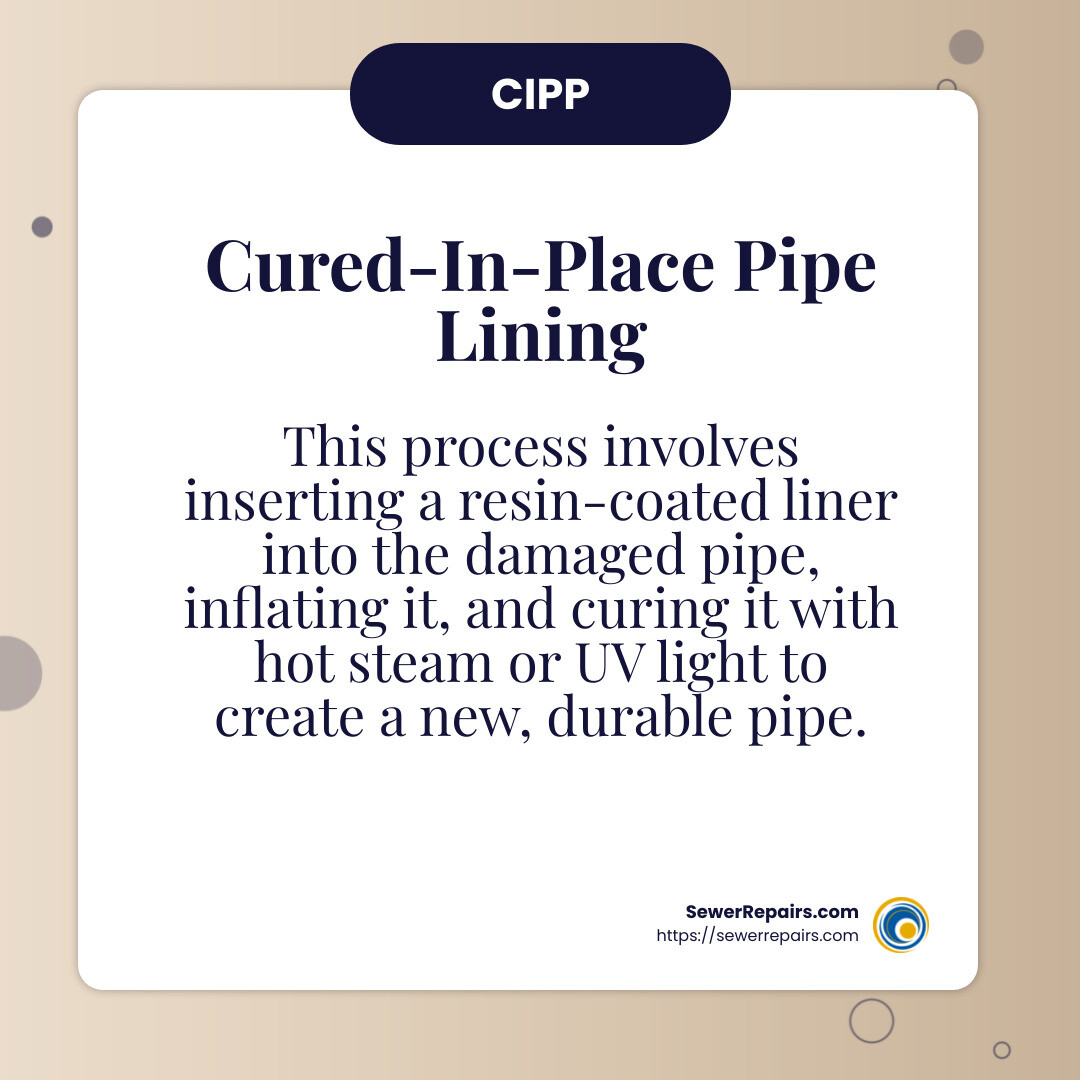
For complex situations, we can also use advanced tools like ground-penetrating radar (GPR). Once we’ve diagnosed the issue, we specialize in cost-effective, minimally invasive solutions like CIPP (Cured-In-Place Pipe) lining and trenchless repairs, which fix your pipe without destroying your yard.
If you suspect damage, a Sewer Line Video Inspection provides the most definitive answers.
Preventing Future Sewer Line Damage
Once you’ve located your sewer line, proactive maintenance is the key to preventing expensive emergencies. Here are our top recommendations:
- Regular Inspections: Schedule a professional video inspection every 3-5 years to catch small issues before they become major problems.
- Professional Drain Cleaning: Have your lines professionally cleaned every 18-24 months to remove buildup of grease and debris.
- Strategic Landscaping: Know where your sewer line is and avoid planting trees with aggressive root systems. According to the Purdue University Extension, fast-growing trees like willows, silver maples, and cottonwoods are notorious for invading pipes. Safer alternatives with less invasive roots include crabapples, dogwoods, and Japanese maples. Always plant trees at least 10 feet away from your sewer line.
- Mind What You Flush: Only flush human waste and toilet paper. So-called “flushable” wipes are a primary cause of clogs. They do not disintegrate like toilet paper and can snag on imperfections in the pipe, starting a major blockage. This issue is so significant that wastewater industry groups have developed standards and public awareness campaigns, as these wipes contribute to massive “fatbergs” that cost municipalities millions to clear. A report from Ryerson University found that not a single wipe labeled “flushable” actually passed a rigorous flushability test.
- No Grease Down the Drain: Pour cooking grease, fats, and oil into a disposable container and throw it in the trash. When poured down the drain, grease cools and solidifies, clinging to the inside of your pipes. Over time, this buildup restricts flow and creates stubborn blockages. The EPA provides clear guidance for households on how to properly dispose of Fats, Oils, and Grease (FOG) to protect your plumbing and the public sewer system.
- Avoid Heavy Traffic: Don’t drive or park heavy vehicles (like RVs or construction equipment) over the path of your sewer line, as the weight can crush the pipe, especially if it is older or made of materials like clay.
Frequently Asked Questions about Finding Sewer Lines
Over the years, we’ve helped thousands of homeowners locate their sewer lines. Here are the answers to the most common questions we hear.
How deep are sewer lines buried?
The depth of a sewer line varies significantly. Typical residential lines are buried anywhere from 18 inches to 8 feet deep. The exact depth depends on several factors:
- Climate: In colder regions, lines must be buried below the frost line to prevent the water inside from freezing, expanding, and cracking the pipe. The frost line depth can range from a few inches in the southern U.S. to over 6 feet in the northern states. You can find general frost line maps from sources like the National Weather Service to understand the requirements in your region.
- Local Building Codes: Municipal codes dictate minimum depth requirements. Most jurisdictions in the U.S. base their regulations on model codes like the Uniform Plumbing Code (UPC) or International Plumbing Code (IPC). These codes often specify a minimum cover of 12 to 18 inches, but local amendments based on climate and soil conditions always take precedence. You must check with your local building department for the specific rules in your area.
- Property Terrain: The line must have a consistent downward slope (typically 1/4 inch of fall per foot of run) for proper gravity-fed drainage. To maintain this slope, the pipe will be shallower near your house and get progressively deeper as it runs toward the street.
Generally, the line is shallower near your house and gets deeper as it runs toward the street. City main lines are much deeper, often 12 feet or more underground.
Can I use a metal detector to find my sewer line?
Generally, no. The vast majority of modern sewer lines are made from non-metallic materials like PVC (polyvinyl chloride), ABS (acrylonitrile butadiene styrene) plastic, or, in some older homes, vitrified clay tile. These materials are invisible to a metal detector.
If your home was built before the 1980s, you might have cast iron pipes. A metal detector could potentially locate a shallow cast iron pipe or a metal cleanout cap, but it’s not a reliable tool for tracing the entire line. Its signal weakens with depth, and other buried metal objects (old pipes, rebar, forgotten tools) can create false readings. A professional pipe locator is a far more accurate tool.
What do the different colored utility flags from 811 mean?
When you call 811, utility locators use a standardized color code to mark underground lines. Understanding these colors is crucial for safety. This system is standardized by the American Public Works Association (APWA) to ensure consistency nationwide. You can see the official APWA Uniform Color Code on their website.
- Red: Electric power lines, cables, and conduits.
- Yellow: Gas, oil, steam, or other flammable materials.
- Orange: Communication lines (telephone, cable TV, internet).
- Blue: Potable water.
- Green: Sewers and drain lines.
- White: Proposed area of excavation.
Always respect these markings. According to the Common Ground Alliance, the organization that promotes the 811 service, you are required to dig carefully by hand within the “tolerance zone”—a space typically 18-24 inches on either side of the marks—to avoid damaging the located utility. Damaging a marked utility can make you liable for expensive repairs and potential fines.
Your Next Steps for a Healthy Sewer System
You now have a toolkit to tackle one of homeownership’s biggest mysteries. Learning how to find your sewer lines puts you in control, helping you avoid plumbing nightmares.
By combining methods—checking documents, finding the cleanout, and calling 811—you can build a clear picture of your property’s layout. This knowledge is your best defense against turning a weekend project into a sewage disaster.
Prevention is always cheaper than emergency repairs. Once you know your sewer line’s location, you can protect it with smart landscaping and proper maintenance. Regular inspections every 3-5 years and professional drain cleaning every 18-24 months are small investments that prevent catastrophic failures.
The bottom line: knowing your property’s layout transforms you from a reactive homeowner into a proactive one.
Call SewerRepairs.com Today!
At SewerRepairs.com, we’ve seen it all. Our team serves homeowners across Riverside CA, Corona CA, Redlands CA, Moreno Valley CA, Murrieta CA, Temecula CA, Orange County CA, Inland Empire CA, and San Bernardino County CA. Our mission is to keep your sewer system healthy with innovative, cost-effective solutions.
For definitive location and a full assessment of your pipe’s condition, a professional inspection is the best investment. Our expertise in trenchless technologies like CIPP lining means we can often solve problems without destructive digging.
Ready to take control of your home’s plumbing health? For expert diagnosis and minimally invasive solutions, schedule a Sewer Camera Inspection Service today.