
Understanding Cast Iron Sewer Pipe Corrosion
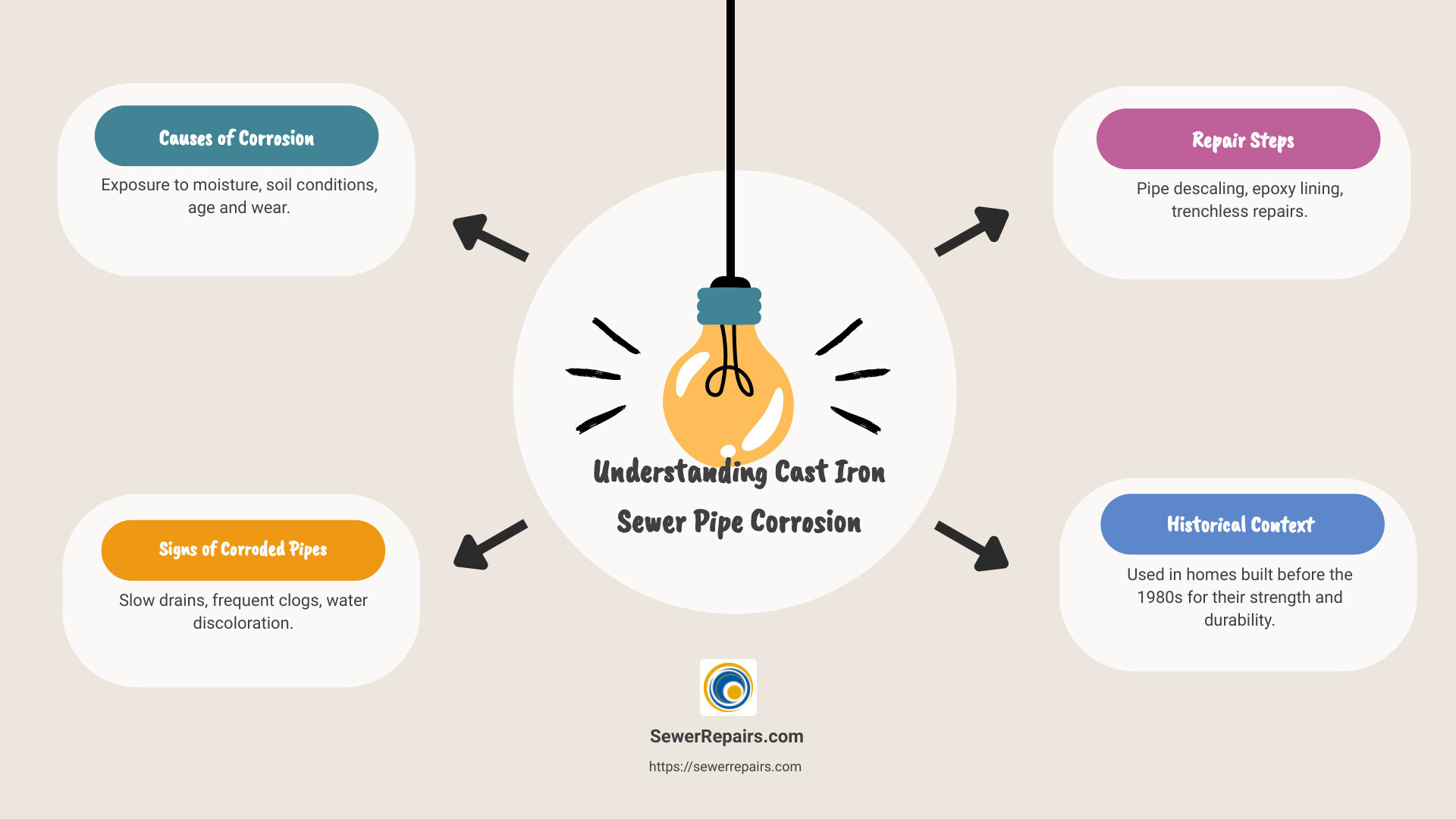
Cast iron sewer pipe corrosion is a common issue that homeowners may face, especially in older properties. This corrosion can lead to leaks, blockages, and costly repairs if not addressed early. Here’s a quick overview to help you understand the basics:
- What causes corrosion?
- Exposure to moisture
- Soil conditions
- Age and wear
- Signs of corroded pipes:
- Slow drains
- Frequent clogs
- Water discoloration
- Steps to fix:
- Pipe descaling
- Epoxy lining
- Trenchless repairs
Cast iron pipes were popular in homes built before the 1980s due to their strength and durability. However, despite their longevity, they are susceptible to corrosion over time. This degradation can have various triggers such as the soil they’re buried in, the temperatures they are exposed to, and the nature of the wastewater they carry.
Maintaining these pipes involves regular inspections and timely interventions to prevent significant damage. Knowing how to identify early signs of corrosion can save you from hefty repair bills and avoid extensive property disruptions.
I’m Jason Best, founder of SewerRepairs.com, with over 20 years of experience in dealing with cast iron sewer pipe corrosion. My expertise lies in deploying innovative, non-invasive solutions to extend the lifespan of your plumbing system.
Let’s explore more about the causes, signs, and modern repair methods to keep your sewer pipes in top condition.
Causes of Cast Iron Sewer Pipe Corrosion
Understanding the causes of cast iron sewer pipe corrosion is vital for maintaining a healthy plumbing system. Here’s what you need to know:
Rust and Corrosion
Rust is the most common cause of deterioration in cast iron pipes. When iron reacts with oxygen and moisture, it forms rust, which weakens the pipe over time. This rust buildup can clog the pipes and eventually lead to leaks.
Corrosion in cast iron pipes occurs due to prolonged exposure to water and air. Over time, this exposure leads to the formation of iron oxide (rust), which eats away at the pipe’s interior. This process is accelerated if the water is acidic or contains high levels of minerals.
Wastewater Flow
The flow of wastewater through your pipes also contributes to corrosion. Wastewater often contains chemicals and organic materials that can be highly corrosive. These substances can speed up the rusting process and cause the inner walls of the pipes to deteriorate faster.
Environmental Factors
Several environmental factors can influence the rate of corrosion in cast iron sewer pipes:
- Soil Type: Certain soils, especially those with high clay content, can hold moisture against the pipes, accelerating corrosion. Sandy soils, on the other hand, allow water to drain away more quickly, reducing the risk.
- Water Quality: Hard water, which contains high levels of calcium and magnesium, can lead to mineral buildup inside the pipes, causing blockages and increasing the rate of corrosion.
- Temperature Changes: Extreme temperature fluctuations can cause cast iron pipes to expand and contract, leading to cracks and leaks. Cold weather can be particularly harsh, causing pipes to freeze and then crack when they thaw.
Tree Roots
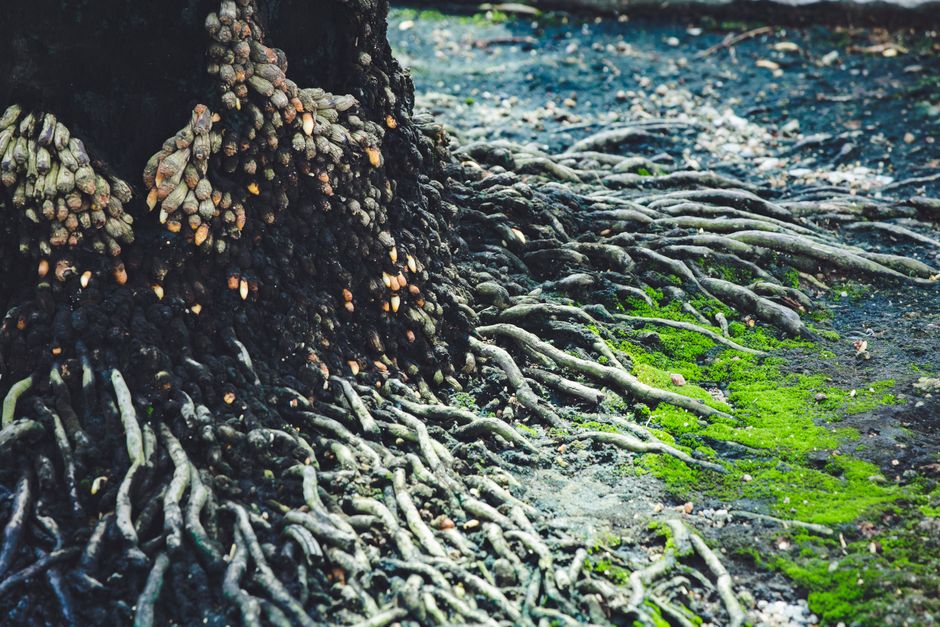
Tree roots can also cause significant damage to cast iron sewer pipes. Over time, roots can grow into the pipes through small cracks or joints, causing blockages and furthering the corrosion process. This is a common problem in older homes with mature trees nearby.
Understanding these causes can help you take preventive measures to protect your cast iron sewer pipes from corrosion. Regular inspections and maintenance are key to extending the lifespan of your plumbing system.
Next, we’ll explore how to fix corroded cast iron sewer pipes and the best methods to ensure your system remains in top condition.
Signs of Cast Iron Sewer Pipe Failure
Recognizing the signs of cast iron sewer pipe failure early can save you from costly repairs and potential health hazards. Here are the key indicators to watch out for:
Odors
A persistent foul smell coming from your drains is often a red flag. Sewer gas, which smells like rotten eggs due to a mix of carbon dioxide, hydrogen sulfide, and methane, can seep through cracks in corroded pipes. If cleaning your drains doesn’t eliminate the odor, it’s likely due to a damaged pipe.
Clogs
Over time, cast iron pipes can collect solids like grease and mineral deposits. This buildup narrows the pipes, causing water to drain more slowly. If you notice frequent clogs, it could be a sign that your pipes are corroding internally.
Blockages
If clogs are not addressed, they can lead to total blockages. A crack in the pipe can also cause blockages, leading to sewage backup. If you experience this, it’s crucial to get it checked immediately, as it can lead to severe water damage and health risks.
Leaks
Leaks are a common sign of failing cast iron pipes. Look for water damage, wet spots, or unexplained pooling around your home. Check your walls, ceiling, and floor for discoloration, mildew, mold, or dampness. Older homes often have cast iron pipes in less frequently used areas like basements, so inspect these areas thoroughly.
Changes in the Yard
If your cast iron pipes extend into your yard, you may notice puddles of water or unusually lush patches of grass. These signs indicate that your pipes are leaking underground, potentially leading to soil saturation and even sinkholes.
Pests
Rodents and insects are attracted to sewer gas. If you notice an increase in pests around your property, it could be due to a failing sewer pipe. These pests can enter your home through the smallest cracks, further complicating the issue.
Recognizing these signs early can help you take action before the problem escalates. Next, we’ll discuss how to fix corroded cast iron sewer pipes and the best methods to ensure your system remains in top condition.
How to Fix Corroded Cast Iron Sewer Pipes
When dealing with cast iron sewer pipe corrosion, know the most effective methods for repair. Here are some common techniques:
Grit Cloth and Wire Brush
For minor corrosion issues, using a grit cloth or wire brush can be a quick fix. These tools help remove rust and buildup inside the pipe.
- Grit Cloth: This is a type of sandpaper designed for metal. It can be used to scrub away rust.
- Wire Brush: Ideal for tougher corrosion, a wire brush can scrape off rust and debris.
Epoxy
Epoxy is a resin that can be used to seal small cracks and holes in the pipes.
- Application: Clean the affected area thoroughly. Apply the epoxy to the damaged section and let it cure. This creates a strong, waterproof seal.
Pipe Lining
Pipe lining is a trenchless method that creates a new pipe within the old one.
- Process: A flexible tube coated with resin is inserted into the damaged pipe. The tube is inflated and left to harden, forming a new, seamless pipe. This method is effective for both full replacements and spot repairs.
Pipe Bursting
Pipe bursting is another trenchless solution, ideal for severely damaged pipes.
- Procedure: A bursting head is pulled through the old pipe, breaking it apart. At the same time, a new pipe is pulled into place. This method is particularly effective for replacing long sections of pipe.
Hydrojetting
Hydrojetting uses high-pressure water jets to clean the inside of the pipes.
- Benefits: It removes grease, tree roots, and other obstructions, restoring the pipe’s full diameter. This method is more thorough than traditional rooter services and provides a longer-lasting solution.
Choosing the right method depends on the extent of the corrosion and the specific situation. In the next section, we’ll explore whether it’s better to repair or replace corroded cast iron sewer pipes and the factors to consider.
Cast Iron Sewer Pipe Corrosion: Repair or Replace?
When dealing with cast iron sewer pipe corrosion, deciding whether to repair or replace can be challenging. Here’s what you need to consider:
Repair vs. Replace
Repairing corroded cast iron pipes can be an effective and less invasive option if the damage is not severe. Methods like epoxy lining or hydrojetting can restore the pipe’s functionality without digging up your yard.
However, if the corrosion is extensive or the pipe has collapsed, replacement may be the only viable solution. Techniques like pipe bursting offer a trenchless option, minimizing disruption.
Cost Considerations
Repair Costs: Generally lower than replacement. Epoxy lining and hydrojetting are cost-effective, but the price can vary based on the extent of the damage.
Replacement Costs: Higher, especially for traditional trenching methods. However, trenchless methods like pipe bursting can reduce labor and landscaping costs.
Lifespan
Repaired Pipes: With proper maintenance, repaired cast iron pipes can last several more decades. Epoxy lining, for example, can extend the pipe’s life by 50 years.
New Pipes: Replacing with modern materials like HDPE or PVC can provide a lifespan of up to 100 years, reducing future maintenance needs.
Inspection Frequency
Regular inspections are crucial for both repaired and replaced pipes. Early detection of issues can save you money and prevent severe damage.
Recommended: Annual inspections using video camera technology to monitor the condition of your pipes.
In the next section, we’ll explore modern solutions for dealing with cast iron sewer pipe corrosion and how they can benefit you.
Modern Solutions for Cast Iron Sewer Pipe Corrosion
When dealing with cast iron sewer pipe corrosion, modern solutions can make a world of difference. Let’s dive into some of the most effective methods available today.
Trenchless Technology
Trenchless technology is a game-changer. It allows for pipe repair and replacement with minimal digging, saving your yard and driveway from extensive damage.
Benefits:
– Less intrusive
– Faster completion times
– Cost-effective
Epoxy Lining
Epoxy lining is a trenchless method where an epoxy coating is applied inside the existing pipe to seal cracks and prevent further corrosion.
How it works:
1. Clean the pipe interior to remove rust and debris.
2. Apply epoxy resin to coat the inside of the pipe.
3. Allow the resin to cure, forming a new, durable lining.
Pros:
– Quick application
– Long-lasting results
– Minimal disruption
CIPP Lining (Cured-In-Place Pipe)
CIPP lining creates a new pipe within the old one using a felt liner soaked in epoxy resin.
Steps:
1. Insert the felt liner into the damaged pipe.
2. Inflate the liner to fit the pipe’s shape.
3. Cure the epoxy, forming a new pipe inside the old one.
Advantages:
– No need for extensive digging
– Suitable for various pipe conditions
– Durable and reliable
Pipe Bursting
Pipe bursting is another trenchless method where a new pipe is pulled through the old one, breaking the old pipe apart.
Process:
1. Create two small access points.
2. Attach a bursting head to the new pipe.
3. Pull the new pipe through, breaking the old one.
Benefits:
– Minimal disruption to property
– Effective for severely damaged pipes
– Quick turnaround
Innovative Techniques
New techniques are continually being developed to improve the repair and replacement of corroded cast iron pipes.
Examples:
– Spray lining: Spraying a polymer coating inside the pipe.
– Descaling: Using a machine to scrape off rust and corrosion without damaging the pipe.
Advantages:
– Custom solutions for different pipe conditions
– Environmentally friendly options
– Improved durability
By using these modern solutions, you can effectively address cast iron sewer pipe corrosion and extend the life of your sewer system.
In the next section, we’ll discuss the environmental impact of cast iron sewer pipes and why proper disposal is crucial.
Environmental Impact of Cast Iron Sewer Pipes
Soil Degradation
Corroded cast iron sewer pipes can leak harmful substances into the soil. When wastewater escapes, it can carry chemicals and bacteria that degrade the soil quality. Over time, this can affect plant growth and soil stability.
- Example: A leaking pipe in clay-heavy soil can cause the ground to become unstable, leading to sinkholes or uneven terrain.
Water Pollution
Leaks from corroded pipes can also contaminate groundwater and nearby water bodies. This pollution can harm aquatic life and make water unsafe for human consumption.
- Fact: According to a report from the American Water Works Association, corroded pipes can introduce heavy metals and other contaminants into water supplies.
Greenhouse Gases
As cast iron pipes corrode, they can release methane—a potent greenhouse gas—into the atmosphere. Methane contributes to global warming and has a much higher impact than carbon dioxide.
- Statistic: Methane is about 25 times more effective at trapping heat in the atmosphere compared to carbon dioxide, according to the Environmental Protection Agency (EPA).
Proper Disposal
When replacing cast iron sewer pipes, it’s crucial to dispose of them properly to minimize environmental impact. Improper disposal can lead to soil and water contamination.
- Tip: Work with a professional service like SewerRepairs.com to ensure that old pipes are recycled or disposed of in an environmentally friendly manner.
By understanding the environmental impact of cast iron sewer pipe corrosion, you can make informed decisions about maintenance and replacement. Proper care and disposal can protect both your property and the environment.
In the next section, we’ll answer some frequently asked questions about cast iron sewer pipe corrosion and how to address it.
Frequently Asked Questions about Cast Iron Sewer Pipe Corrosion
How do you fix corroded cast iron pipes?
Fixing corroded cast iron pipes can be done using several methods, depending on the extent of the damage.
- Grit Cloth and Wire Brush: For minor corrosion, you can use a grit cloth or wire brush to scrub away the rust. This method is good for small, accessible areas but may not be effective for severe corrosion.
- Epoxy: After cleaning the pipe, you can apply an epoxy coating to seal the surface and prevent further corrosion. This is a common DIY method but may only provide a temporary fix.
- Pipe Lining: This involves inserting a felt liner soaked in epoxy into the damaged pipe. The liner is inflated and left to cure, forming a new pipe within the old one. This method is minimally invasive and can extend the life of your pipes significantly.
- Pipe Bursting: For pipes that are too damaged for lining, pipe bursting can be used. This method pulls a new pipe through the old one, breaking the old pipe apart as it goes. It requires minimal digging and is very effective.
- Hydrojetting: This method uses high-pressure water to clean the inside of the pipe, removing rust and other debris. It’s a good option for maintaining the pipes and preventing future corrosion.
Should I replace cast iron sewer pipes?
Deciding whether to repair or replace cast iron sewer pipes depends on several factors:
- Extent of Damage: If the pipes are severely corroded or collapsed, replacement might be the only option. For minor issues, repairs like pipe lining or hydrojetting can be effective.
- Cost Considerations: Repairs are generally less expensive than replacements. However, if you find yourself frequently needing repairs, replacement might be more cost-effective in the long run.
- Lifespan: Cast iron pipes can last up to 100 years, but their lifespan can be shortened by factors like soil conditions and water quality. If your pipes are nearing the end of their expected lifespan, replacement might be the better option.
What is the life expectancy of a cast iron sewer pipe?
The life expectancy of a cast iron sewer pipe can vary widely:
- General Lifespan: Typically, cast iron sewer pipes last between 50 to 100 years. However, this can be influenced by several factors.
- Maintenance: Regular inspections and maintenance can extend the life of cast iron pipes. Cleaning methods like hydrojetting and applying protective coatings can prevent corrosion and other issues.
- Environmental Factors: Soil type, water quality, and temperature fluctuations can all impact the longevity of cast iron pipes. For example, pipes in clay soil or exposed to extreme temperatures may corrode faster.
For more detailed information and professional advice, consult with experts like those at SewerRepairs.com. They can provide custom solutions based on the specific conditions of your sewer system.
Conclusion
Handling cast iron sewer pipe corrosion can be challenging, but with the right approach, it doesn’t have to be overwhelming. At SewerRepairs.com, we specialize in addressing these issues with expert plumbing services that are both cost-effective and minimally invasive.
Our team of licensed and insured professionals has over 20 years of experience in the industry. We offer a range of solutions custom to your specific needs, whether it’s simple repairs or complete pipe replacements. Our advanced techniques, like trenchless repairs, ensure that your property remains intact while we restore your sewer system to optimal condition.
Minimally Invasive Techniques
- Pipe Lining: This involves inserting a resin-saturated felt liner into the damaged pipe. Once cured, it forms a new, durable pipe within the old one.
- Pipe Bursting: This method replaces your old pipe by pulling a new one through it, breaking the old pipe apart in the process.
- Hydrojetting: High-pressure water is used to clean out the interior of the pipes, removing debris and corrosion.
These techniques not only save time but also reduce the need for extensive digging and property damage. They are designed to extend the lifespan of your sewer system while minimizing inconvenience and cost.
For more information on how we can help you manage cast iron sewer pipe corrosion, visit our trenchless sewer line repair page.
Trust SewerRepairs.com to keep your plumbing system in top shape with our expertise and innovative solutions.