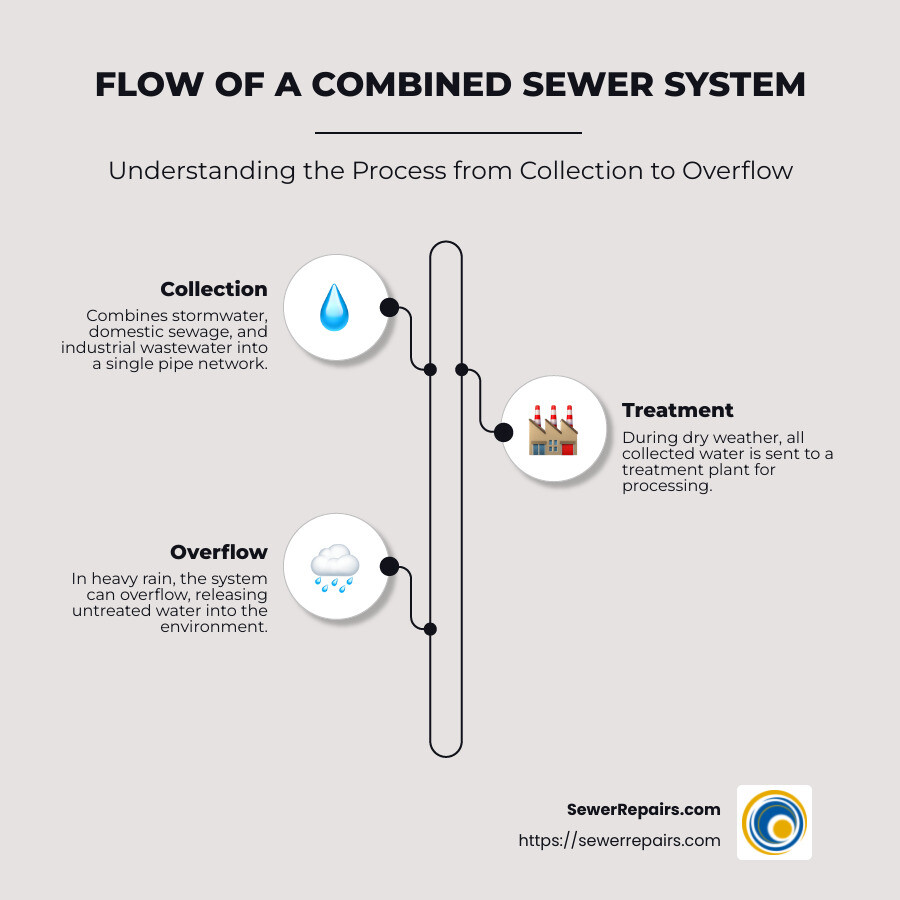
Understanding how a combined sewer system operates is important for many homeowners, particularly in areas with older infrastructure. In its simplest form, a combined sewer system uses a single network of pipes to transport rainwater runoff, household sewage, and industrial wastewater through the same channel. Under normal, dry-weather conditions, all of this wastewater flows to a treatment plant where it is properly processed.
The challenge arises during periods of heavy rainfall or rapid snowmelt. When the volume of water entering the system exceeds its capacity, it can trigger a combined sewer overflow (CSO). In such cases, excess water—often mixed with untreated sewage—is discharged directly into nearby rivers, lakes, or coastal waters to prevent backups into homes and streets. While this serves as an emergency relief measure, it also introduces pollutants into the environment, degrades water quality, and increases public health risks.
As cities work to modernize their sewer systems, understanding how they function—and their vulnerabilities—can help residents support local infrastructure improvements, adopt water conservation practices, and reduce strain on the network.
A quick summary for clarity:
- Single Pipe Network: Carries stormwater, domestic sewage, and industrial wastewater.
- Dry Weather: All water is treated before discharge.
- Wet Weather: Excess flow can lead to untreated discharges.
My name is Jason Best and I have over two decades of experience with sewer systems, which has provided me with deep insights into how combined sewer systems work and the challenges they present. This article will explore these systems in detail, and offer potential solutions for managing and improving them.
What is a Combined Sewer System?
A combined sewer system is a type of sewer infrastructure that uses a single pipe to collect and transport stormwater runoff, domestic sewage, and industrial wastewater. This system was common in the late 19th and early 20th centuries when urban sewerage systems were first developed. Today, these systems are still in use in many older cities. Let’s explore how a combined sewer system works and its key components.
How a Combined Sewer System Works
In a combined sewer system, all types of water—whether from rain, homes, or industries—flow through the same pipes. Here’s a simple breakdown of the process:
- Normal Conditions: During dry weather, the system channels all wastewater to a treatment plant. Here, it is treated and safely discharged into a waterbody.
- Wet Weather: When it rains, stormwater enters the system. This can lead to an overflow if the pipes and treatment facilities are overwhelmed. Excess water exits through outfalls, releasing untreated or partially treated sewage into nearby water bodies. This is known as a combined sewer overflow (CSO).

Components of a Combined Sewer System
Understanding the components of a combined sewer system helps in grasping how it functions:
- Storm Drains: These are entry points for rainwater, located along streets and parking lots. They channel stormwater into the sewer system.
- Pipes: A network of pipes carries stormwater, domestic sewage, and industrial wastewater together.
- Wastewater Treatment Plant: This facility treats sewage to remove contaminants before it is released into the environment. It’s a critical part of managing the flow and ensuring water quality.
- Outfalls: These are relief points in the system. During heavy rain, they allow excess water to escape into local waterways, preventing backups in the sewer system.
Combined sewer systems are integral to urban infrastructure but come with challenges, especially during heavy rainfall. Managing these systems effectively is crucial for reducing pollution and protecting public health.
Advantages and Disadvantages of Combined Sewer Systems
Combined sewer systems have both benefits and drawbacks, especially when considering their impact on pollution, public health, and infrastructure. Let’s explore these aspects.
Advantages
- Cost-Effective: One of the main advantages of a combined sewer system is that it uses a single pipe system. This design was initially seen as a cost-saving measure since it consolidates the infrastructure needed for stormwater and sewage, reducing construction and maintenance costs.
- Urban Areas: Combined sewer systems are particularly suited to urban areas where space is limited. By using a single network of pipes, cities can efficiently manage both stormwater and sewage without needing separate systems.
- Historical Context: These systems were developed during a time when urban areas were rapidly expanding. They provided a practical solution to manage the increasing volumes of wastewater and stormwater with the technology available at the time.
Disadvantages
- Pollution: A significant downside of combined sewer systems is the risk of pollution. During heavy rainfall, the system can become overwhelmed, leading to combined sewer overflows (CSOs). This results in the discharge of untreated sewage and stormwater into local waterways, which can severely affect water quality.
- Public Health Risks: The overflow of untreated sewage poses serious public health risks. It can contaminate drinking water sources, lead to beach closures, and affect shellfish beds. The presence of bacteria and other harmful substances in CSOs can be dangerous to people, pets, and wildlife.
- Infrastructure Challenges: While the single pipe system is initially cost-effective, maintaining and upgrading aging infrastructure presents challenges. Many combined sewer systems in use today are over a century old, requiring significant investment to modernize and reduce overflow incidents.
- Overflow Issues: The primary operational disadvantage is the risk of overflow during wet weather. This not only leads to pollution but can also cause flooding in urban areas, damaging property and infrastructure.
Combined sewer systems offer a practical solution for managing wastewater and stormwater in urban settings. However, they require careful management and modernization to mitigate their environmental and health impacts, particularly during periods of heavy rainfall.
Combined Sewer Overflows (CSOs)
Combined Sewer Overflows, or CSOs, occur when a combined sewer system gets overwhelmed. This usually happens during heavy rainfall or snowmelt, when the volume of stormwater and wastewater exceeds the system’s capacity. When this happens, the system overflows, releasing untreated sewage and stormwater directly into nearby waterbodies.
Causes of CSOs
- Heavy Rainfall and Snowmelt: The main culprits for CSOs are significant weather events like heavy rain or melting snow. These events increase the volume of water entering the system, pushing it beyond its limits.
- System Capacity: Many combined sewer systems were built decades ago and were not designed to handle current levels of urban water runoff. As cities expand and impervious surfaces increase, these systems are more frequently overwhelmed.
- Infrastructure Aging: The aging infrastructure of combined sewer systems contributes to their inability to cope with high water volumes. Many systems are over a century old and require significant updates to meet modern standards.
Impacts of CSOs
- Water Quality: CSOs can severely degrade water quality. They introduce pollutants, including bacteria and debris, into rivers, lakes, and coastal waters, making them unsafe for human and animal contact.
- Public Health: The discharge of untreated sewage poses serious public health risks. People exposed to contaminated water can suffer from illnesses caused by bacteria and viruses present in the overflow.
- Beach Closures: During CSO events, beaches may need to be closed to protect public health. The presence of harmful bacteria can make recreational waters unsafe for swimming and other activities.
- Shellfish Bed Closures: CSOs can lead to the contamination of shellfish beds, resulting in closures to prevent the harvesting of unsafe shellfish. This affects local economies and food supplies.
- Algae Growth: Nutrients from untreated sewage can promote excessive algae growth, which depletes oxygen in the water. This can lead to dead zones where aquatic life cannot survive.
In summary, while combined sewer systems serve urban areas well under normal conditions, they present significant challenges during extreme weather events. The effects of CSOs highlight the pressing need for modern infrastructure solutions to protect both the environment and public health.
Solutions to Mitigate CSOs
To address the challenges posed by Combined Sewer Overflows (CSOs), cities are turning to a mix of green infrastructure and grey infrastructure solutions. These approaches aim to manage stormwater more effectively and reduce pollution, safeguarding public health and the environment.
Green Infrastructure
Green infrastructure involves using nature-based solutions to manage stormwater at its source. This approach not only helps mitigate CSOs but also provides additional benefits like urban cooling and improved air quality.
- Rain Gardens: These are shallow, planted depressions designed to capture and absorb runoff from rooftops, sidewalks, and streets. By slowing down the flow of water, rain gardens help prevent the system from becoming overwhelmed.
- Green Roofs: Installing vegetation on rooftops not only reduces the amount of stormwater entering the sewer system but also provides insulation and reduces the urban heat island effect.
- Permeable Pavements: Unlike traditional concrete, permeable pavements allow water to pass through, reducing runoff and helping recharge groundwater supplies.
- Vegetated Swales: These are linear, grass-lined channels that slow down and filter stormwater. They are effective in removing pollutants and managing runoff volumes.
Communities like those in New York City and Washington, D.C., have accepted green infrastructure as part of their long-term plans to control CSOs. The benefits extend beyond water management, including aesthetic improvements and community engagement.
Grey Infrastructure
While green infrastructure offers many benefits, grey infrastructure remains a critical component in managing CSOs, especially in urban areas with limited space for green solutions.
- Sewers and Tunnels: Expanding and upgrading sewer systems and building storage tunnels can increase the capacity to handle stormwater and wastewater during heavy rain events.
- Wastewater Treatment Plants: Enhancing the capacity and efficiency of these plants ensures that more water is treated before being released into the environment.
- Storage Tanks: These tanks temporarily store excess stormwater and wastewater during peak flow periods, preventing overflow and allowing for later treatment.
Cities like South Bend, Indiana, have successfully implemented grey infrastructure solutions to significantly reduce CSOs, demonstrating the effectiveness of these systems when combined with modern technology.
By integrating both green and grey infrastructure, cities can create a comprehensive approach to stormwater management and pollution control. This dual strategy not only mitigates the immediate impacts of CSOs but also builds resilience against future challenges.
Frequently Asked Questions about Combined Sewer Systems
What is the major problem with a combined sewer system?
The primary issue with combined sewer systems is the risk of pollution from untreated sewage during overflow events. When the system is overwhelmed by stormwater, it can discharge untreated or partially treated sewage directly into water bodies. This can lead to several problems, including:
- Water Quality Issues: The overflow can introduce harmful bacteria and pollutants into waterways, affecting aquatic life and making water unsafe for recreation and consumption.
- Public Health Risks: Human exposure to contaminated water can result in health problems, including gastrointestinal illnesses.
- Environmental Impact: Overflow events can cause beach closures, shellfish bed closures, and promote algae growth, which depletes oxygen in the water and harms marine life.
How can we prevent combined sewer overflows?
Preventing combined sewer overflows (CSOs) involves a combination of green infrastructure, grey infrastructure, and increased public awareness.
Green Infrastructure: This approach includes solutions like rain gardens, green roofs, and permeable pavements that manage stormwater at its source. By reducing the amount of stormwater entering the sewer system, these methods help decrease the likelihood of overflow events.
Grey Infrastructure: Upgrading and expanding sewer systems, building storage tunnels, and enhancing wastewater treatment plants are essential to increasing the capacity of existing infrastructure. These improvements help manage large volumes of water during heavy rainfall.
Public Awareness: Educating the community about the impact of stormwater and encouraging actions like reducing water usage during storms can help mitigate overflow events. Simple measures, such as installing rain barrels or maintaining green spaces, can make a significant difference.
Together, these strategies form a comprehensive approach to managing stormwater and reducing the risk of pollution from combined sewer systems. This integrated approach not only addresses immediate concerns but also lays the groundwork for sustainable urban water management.
Call SewerRepairs.com Today!
Understanding combined sewer systems is crucial for addressing the challenges posed by urban water management. These systems, while cost-effective and practical in densely populated areas, can lead to significant pollution and public health issues, especially during heavy rainfall events. The overflow of untreated sewage into waterways is a pressing problem that demands innovative solutions.
At SewerRepairs.com, we are committed to providing effective solutions for managing stormwater and controlling pollution. Our expertise in trenchless repairs and CIPP lining allows us to offer minimally invasive techniques that maintain the integrity of existing infrastructure while enhancing its capacity. By focusing on both green and grey infrastructure strategies, we can mitigate the risks associated with combined sewer overflows (CSOs).
Green infrastructure solutions, such as rain gardens and permeable pavements, play a vital role in reducing stormwater runoff at the source. These methods not only help prevent overflow events but also contribute to urban cooling and improved air quality. Meanwhile, grey infrastructure improvements, like expanding sewer systems and upgrading treatment plants, are essential for handling large volumes of water during extreme weather conditions.
Public awareness and community involvement are equally important. By educating residents about the impact of stormwater and encouraging practices like water conservation and green space maintenance, we can collectively reduce the burden on combined sewer systems.
In conclusion, managing stormwater effectively is key to protecting public health and preserving our environment. At SewerRepairs.com, our goal is to provide comprehensive solutions that ensure the reliable operation of sewer systems while minimizing their environmental footprint. To learn more about our services and how we can assist with your sewer repair needs, visit our service page. Let’s work together to create a sustainable future for our communities.